H.R. 6375 · 117th Congress
COPS on the Beat Grant Program Reauthorization and Parity Act of 2022
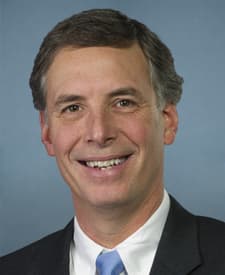
Introduced on Jan 12, 2022 by Tom Rice (R-SC-7). 58 cosponsors, 34 of them from another party. Latest action (Nov 1, 2022): Referred to the Subcommittee on Crime, Terrorism, and Homeland Security.
- Stage
- Introduced
- Introduced
- Jan 12, 2022
- Cosponsors
- 58
- 34 from the other party
- Policy area
- Crime and Law Enforcement
Progress
The furthest stage the measure reached. Simple and concurrent resolutions do not go to the President.
- Introduced
- 2Reported by committee
- 3Passed one chamber
- 4Passed both chambers
- 5Sent to the President
- 6Became law
Official title
To permit COPS grants to be used for the purpose of increasing the compensation and hiring of law enforcement officers, and for other purposes.
Subjects
- Community life and organization
- Congressional oversight
- Department of Justice
- Employee hiring
- Executive agency funding and structure
- Government information and archives
- Government studies and investigations
- Intergovernmental relations
- Law enforcement administration and funding
- Rural conditions and development
Summary
By the Congressional Research Service (Introduced in House, Jan 12, 2022). Public domain.
COPS on the Beat Grant Program Reauthorization and Parity Act of 2022
This bill reauthorizes through FY2031 and makes changes to the Community Oriented Policing Services grant program.
Among the changes, the bill
- reduces the required matching contribution for certain rural communities during the first three years of a grant and eliminates the preference for agencies that exceed the matching requirements;
- allows grant funds to be used to increase wages of career law enforcement officers in states or localities that have a median household income of less than 70% of the national median household income and qualify for a reduced matching contribution; and
- provides statutory authority for the Office of Community Oriented Policing Services within the Department of Justice.
Additionally, the bill requires the Government Accountability Office to report on whether law enforcement workforces are representative of the communities they serve, the percentage of law enforcement employees who live in the community they serve, the average pay of officers compared to the cost of living in the community they serve, and recommendations for improvements.
Sponsor and cosponsors
Cosponsors by party as of the day they signed on. Original cosponsors signed on the day of introduction.
Democrats · 34
- Henry CuellarD-TX-28original
- Jared F. GoldenD-ME-2original
- Ron KindD-WI-3original
- Stephanie N. MurphyD-FL-7original
- Abigail Davis SpanbergerD-VA-7original
- Dean PhillipsD-MN-3signed on Jan 25, 2022
- Daniel T. KildeeD-MI-5signed on Jan 28, 2022
- Ed CaseD-HI-1signed on Feb 11, 2022
- Kurt SchraderD-OR-5signed on Feb 11, 2022
- Angie CraigD-MN-2signed on Feb 18, 2022
- Betty McCollumD-MN-4signed on Feb 18, 2022
- Susie LeeD-NV-3signed on Feb 22, 2022
- Antonio DelgadoD-NY-19signed on Feb 25, 2022
- Tom O’HalleranD-AZ-1signed on Feb 25, 2022
- Katie PorterD-CA-45signed on Feb 28, 2022
- Kim SchrierD-WA-8signed on Mar 1, 2022
- Chrissy HoulahanD-PA-6signed on Mar 3, 2022
- Sanford D. Bishop, Jr.D-GA-2signed on Mar 8, 2022
- Jim CostaD-CA-16signed on Mar 8, 2022
- Mikie SherrillD-NJ-11signed on Mar 11, 2022
- Brian HigginsD-NY-26signed on Mar 15, 2022
- Chris PappasD-NH-1signed on Mar 15, 2022
- Ann M. KusterD-NH-2signed on Mar 21, 2022
- Elaine G. LuriaD-VA-2signed on Mar 24, 2022
- Frank J. MrvanD-IN-1signed on Mar 24, 2022
- Marilyn StricklandD-WA-10signed on Mar 28, 2022
- Jimmy PanettaD-CA-20signed on Mar 30, 2022
- Elissa SlotkinD-MI-8signed on Apr 4, 2022
- Karen BassD-CA-37signed on Apr 28, 2022
- Derek KilmerD-WA-6signed on May 27, 2022
- Joseph D. MorelleD-NY-25signed on Jul 26, 2022
- Sean CastenD-IL-6signed on Aug 12, 2022
- David J. TroneD-MD-6signed on Sep 2, 2022
- Patrick RyanD-NY-19signed on Oct 7, 2022
Republicans · 24
- Steve ChabotR-OH-1original
- Jaime Herrera BeutlerR-WA-3original
- John KatkoR-NY-24original
- Young KimR-CA-39original
- Burgess OwensR-UT-4original
- Cathy McMorris RodgersR-WA-5signed on Jan 19, 2022
- Dan NewhouseR-WA-4signed on Jan 19, 2022
- Maria Elvira SalazarR-FL-27signed on Feb 11, 2022
- Brian K. FitzpatrickR-PA-1signed on Feb 18, 2022
- Andrew R. GarbarinoR-NY-2signed on Feb 18, 2022
- Nancy MaceR-SC-1signed on Feb 18, 2022
- Don YoungR-AKsigned on Feb 18, 2022
- John R. MoolenaarR-MI-4signed on Feb 25, 2022
- Jefferson Van DrewR-NJ-2signed on Feb 28, 2022
- Carol D. MillerR-WV-3signed on Mar 3, 2022
- Elise M. StefanikR-NY-21signed on Mar 8, 2022
- Earl L. "Buddy" CarterR-GA-1signed on Mar 24, 2022
- Byron DonaldsR-FL-19signed on Mar 24, 2022
- Don BaconR-NE-2signed on Mar 29, 2022
- Daniel MeuserR-PA-9signed on Mar 30, 2022
- Jenniffer González-ColónR-PRsigned on Mar 31, 2022
- Bill JohnsonR-OH-6signed on Mar 31, 2022
- Peter MeijerR-MI-3signed on Apr 4, 2022
- David G. ValadaoR-CA-21signed on Apr 4, 2022
Roll calls
Recorded votes on the measure. Most measures move by voice vote or unanimous consent, which record no individual positions.
No recorded roll call on this measure: it moved by voice vote or unanimous consent, or has not reached the floor.
History
Every action as published, oldest first. Roll calls link to how each member voted.
- Jan 12, 2022Introduced in House
- Jan 12, 2022Introduced in House
- Jan 12, 2022 · HouseReferred to the House Committee on the Judiciary.
- Nov 1, 2022 · HouseReferred to the Subcommittee on Crime, Terrorism, and Homeland Security.
Committees
Committees and subcommittees the measure was referred to.
Agencies in its committees' jurisdiction
Analisa's mapping of committee jurisdiction to federal agencies; the bill may touch others, or none of these.
Sources and method
Every figure on this page traces to these records.
- Bill status: bills and resolutions, sponsors, actions, subjects and CRS summaries (U.S. Government Publishing Office (GovInfo), from Congress.gov (Library of Congress))GovInfo Bill Status bulk data (Congress.gov; summaries by the Congressional Research Service) · data current to Oct 10, 2026 · loaded Oct 10, 2026 · license: Public domain (U.S. Government work, 17 U.S.C. § 105)
- Members of Congress, their terms, committees and identifiers (The @unitedstates project (from the Biographical Directory of the U.S. Congress, the House and the Senate))unitedstates/congress-legislators: legislators, committees and current committee membership · data current to Oct 3, 2026 · loaded Oct 3, 2026 · license: CC0 1.0 (public domain dedication)
- House roll-call votes (Office of the Clerk, U.S. House of Representatives)Office of the Clerk, U.S. House of Representatives, roll-call vote records · data current to Oct 3, 2026 · loaded Oct 3, 2026 · license: Public domain (U.S. Government work, 17 U.S.C. § 105)
- Senate roll-call votes and DW-NOMINATE scores (Voteview (UCLA Department of Political Science))Lewis, Jeffrey B., Keith Poole, Howard Rosenthal, Adam Boche, Aaron Rudkin, and Luke Sonnet (2026). Voteview: Congressional Roll-Call Votes Database. https://voteview.com/ · data current to Oct 3, 2026 · loaded Oct 3, 2026 · license: Free to use with the required citation
- Lobbying disclosures (LD-1 registrations, LD-2 quarterly reports, LD-203 contribution reports) (Clerk of the U.S. House of Representatives)Clerk of the House, Lobbying Disclosure Act filings (organizations only; lobbyists' names are not loaded) · data current to Oct 10, 2026 · loaded Oct 10, 2026 · license: Public domain (U.S. Government work, 17 U.S.C. § 105)
- Positions are shown only where a roll call recorded them; voice votes and unanimous consent record none.