H.R. 6943 · 117th Congress
Public Safety Officer Support Act of 2022
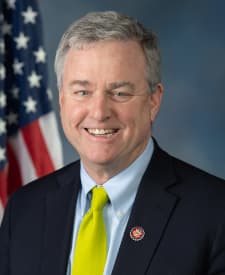
Introduced on Mar 7, 2022 by David J. Trone (D-MD-6). 48 cosponsors, 18 of them from another party. Became Public Law 117-172.
- Stage
- Became law
- Public Law 117-172
- Introduced
- Mar 7, 2022
- Cosponsors
- 48
- 18 from the other party
- Policy area
- Crime and Law Enforcement
Progress
The furthest stage the measure reached. Simple and concurrent resolutions do not go to the President.
- Introduced
- Reported by committee
- Passed one chamber
- Passed both chambers
- Sent to the President
- Became law
Official title
To amend the Omnibus Crime Control and Safe Streets Act of 1968 to authorize public safety officer death benefits to officers suffering from post-traumatic stress disorder or acute stress disorder, and for other purposes.
Subjects
- Congressional oversight
- Disability assistance
- Employee benefits and pensions
- Fires
- First responders and emergency personnel
- Government studies and investigations
- Law enforcement officers
- Mental health
- Neurological disorders
Summary
By the Congressional Research Service (Public Law, Aug 16, 2022). Public domain.
Public Safety Officer Support Act of 2022
This act extends death and disability benefits under the Public Safety Officers' Benefits (PSOB) program to certain public safety officers and survivors of public safety officers who suffer or suffered from post-traumatic stress disorder, acute stress disorder, or trauma and stress-related disorders following an exposure to one or more traumatic events while on duty. The PSOB program provides death, disability, and education benefits to public safety officers and survivors of public safety officers who die or become disabled as a direct and proximate result of a personal injury in the line of duty.
The act specifies that post-traumatic stress disorder, acute stress disorder, or trauma and stress-related disorders suffered by a public safety officer following an exposure to a traumatic event while on duty constitutes a personal injury in the line of duty if exposure to the traumatic event was a substantial factor in the disorder.
Further, for the purposes of death and disability benefits, the act creates a presumption that an officer's death or permanent disability was directly caused by a personal injury in the line of duty if the officer took an action intended to bring about his or her death and exposure to a traumatic event was a substantial factor in that action or that action occurred within 45 days of an exposure and was consistent with a psychiatric disorder.
Finally, the act requires the Government Accountability Office to report on the details of benefits issued pursuant to this act, including recommendations to improve the PSOB program.
Sponsor and cosponsors
Cosponsors by party as of the day they signed on. Original cosponsors signed on the day of introduction.
Democrats · 30
- Donald S. Beyer, Jr.D-VA-8signed on Mar 17, 2022
- Angie CraigD-MN-2signed on Mar 17, 2022
- Karen BassD-CA-37signed on Mar 29, 2022
- Bradley Scott SchneiderD-IL-10signed on Apr 26, 2022
- Sheila Jackson LeeD-TX-18signed on May 6, 2022
- Lucy McBathD-GA-6signed on May 10, 2022
- David N. CicillineD-RI-1signed on May 11, 2022
- C. A. Dutch RuppersbergerD-MD-2signed on May 11, 2022
- Bonnie Watson ColemanD-NJ-12signed on May 11, 2022
- Chris PappasD-NH-1signed on May 13, 2022
- Thomas R. SuozziD-NY-3signed on May 16, 2022
- Susan WildD-PA-7signed on May 16, 2022
- Lisa Blunt RochesterD-DEsigned on May 17, 2022
- William R. KeatingD-MA-9signed on May 17, 2022
- Eleanor Holmes NortonD-DCsigned on May 17, 2022
- Dean PhillipsD-MN-3signed on May 17, 2022
- Lori TrahanD-MA-3signed on May 17, 2022
- Joyce BeattyD-OH-3signed on May 18, 2022
- Hakeem S. JeffriesD-NY-8signed on May 18, 2022
- Robin L. KellyD-IL-2signed on May 18, 2022
- John B. LarsonD-CT-1signed on May 18, 2022
- Seth MoultonD-MA-6signed on May 18, 2022
- Ed PerlmutterD-CO-7signed on May 18, 2022
- Katie PorterD-CA-45signed on May 18, 2022
- Mike QuigleyD-IL-5signed on May 18, 2022
- Kim SchrierD-WA-8signed on May 18, 2022
- Eric SwalwellD-CA-15signed on May 18, 2022
- Mike ThompsonD-CA-5signed on May 18, 2022
- Paul TonkoD-NY-20signed on May 18, 2022
- Lauren UnderwoodD-IL-14signed on May 18, 2022
Republicans · 18
- Guy ReschenthalerR-PA-14original
- Brian K. FitzpatrickR-PA-1signed on Mar 17, 2022
- Richard HudsonR-NC-8signed on Mar 18, 2022
- Andrew R. GarbarinoR-NY-2signed on Mar 29, 2022
- Elise M. StefanikR-NY-21signed on Mar 29, 2022
- Dan CrenshawR-TX-2signed on Apr 26, 2022
- Jenniffer González-ColónR-PRsigned on Apr 26, 2022
- Doug LaMalfaR-CA-1signed on Apr 26, 2022
- Yvette HerrellR-NM-2signed on May 6, 2022
- Glenn ThompsonR-PA-15signed on May 12, 2022
- Don BaconR-NE-2signed on May 16, 2022
- Tom ColeR-OK-4signed on May 16, 2022
- Mario Diaz-BalartR-FL-25signed on May 16, 2022
- Debbie LeskoR-AZ-8signed on May 17, 2022
- Harold RogersR-KY-5signed on May 17, 2022
- Troy E. NehlsR-TX-22signed on May 18, 2022
- John H. RutherfordR-FL-4signed on May 18, 2022
- William R. Timmons IVR-SC-4signed on May 18, 2022
Roll calls
Recorded votes on the measure. Most measures move by voice vote or unanimous consent, which record no individual positions.
- May 18, 2022· House· Passage· Passed 402–17
History
Every action as published, oldest first. Roll calls link to how each member voted.
- Mar 7, 2022Introduced in House
- Mar 7, 2022Introduced in House
- Mar 7, 2022 · HouseReferred to the House Committee on the Judiciary.
- May 11, 2022 · HouseCommittee Consideration and Mark-up Session Held.
- May 11, 2022 · HouseOrdered to be Reported (Amended) by Voice Vote.
- May 18, 2022Reported (Amended) by the Committee on Judiciary. H. Rept. 117-335.
- May 18, 2022 · HouseReported (Amended) by the Committee on Judiciary. H. Rept. 117-335.
- May 18, 2022 · HousePlaced on the Union Calendar, Calendar No. 252.
- May 18, 2022 · HouseMr. Cohen moved to suspend the rules and pass the bill, as amended.
- May 18, 2022 · HouseConsidered under suspension of the rules. (consideration: CR H5120-5123; text: CR H5120-5121)
- May 18, 2022 · HouseDEBATE - The House proceeded with forty minutes of debate on H.R. 6943.
- May 18, 2022 · HouseAt the conclusion of debate, the Yeas and Nays were demanded and ordered. Pursuant to the provisions of clause 8, rule XX, the Chair announced that further proceedings on the motion would be postponed.
- May 18, 2022 · HouseConsidered as unfinished business. (consideration: CR H5167-5168)
- May 18, 2022Passed/agreed to in House: On motion to suspend the rules and pass the bill, as amended Agreed to by the Yeas and Nays (2/3 required): 402 - 17 (Roll No. 223).House · Roll call 223
- May 18, 2022 · HouseOn motion to suspend the rules and pass the bill, as amended Agreed to by the Yeas and Nays (2/3 required): 402 - 17 (Roll No. 223).House · Roll call 223
- May 18, 2022 · HouseMotion to reconsider laid on the table Agreed to without objection.
- May 19, 2022 · SenateReceived in the Senate and Read twice and referred to the Committee on the Judiciary.
- Aug 1, 2022Senate Committee on the Judiciary discharged by Unanimous Consent.
- Aug 1, 2022 · SenateSenate Committee on the Judiciary discharged by Unanimous Consent.
- Aug 1, 2022Passed/agreed to in Senate: Passed Senate without amendment by Unanimous Consent.(consideration: CR S3826)
- Aug 1, 2022 · SenatePassed Senate without amendment by Unanimous Consent. (consideration: CR S3826)
- Aug 2, 2022 · SenateMessage on Senate action sent to the House.
- Aug 15, 2022Presented to President.
- Aug 15, 2022 · HousePresented to President.
- Aug 16, 2022Signed by President.
- Aug 16, 2022Signed by President.
- Aug 16, 2022Became Public Law No: 117-172.
- Aug 16, 2022Became Public Law No: 117-172.
Committees
Committees and subcommittees the measure was referred to.
Agencies in its committees' jurisdiction
Analisa's mapping of committee jurisdiction to federal agencies; the bill may touch others, or none of these.
Sources and method
Every figure on this page traces to these records.
- Bill status: bills and resolutions, sponsors, actions, subjects and CRS summaries (U.S. Government Publishing Office (GovInfo), from Congress.gov (Library of Congress))GovInfo Bill Status bulk data (Congress.gov; summaries by the Congressional Research Service) · data current to Oct 8, 2026 · loaded Oct 8, 2026 · license: Public domain (U.S. Government work, 17 U.S.C. § 105)
- Members of Congress, their terms, committees and identifiers (The @unitedstates project (from the Biographical Directory of the U.S. Congress, the House and the Senate))unitedstates/congress-legislators: legislators, committees and current committee membership · data current to Oct 3, 2026 · loaded Oct 3, 2026 · license: CC0 1.0 (public domain dedication)
- House roll-call votes (Office of the Clerk, U.S. House of Representatives)Office of the Clerk, U.S. House of Representatives, roll-call vote records · data current to Oct 3, 2026 · loaded Oct 3, 2026 · license: Public domain (U.S. Government work, 17 U.S.C. § 105)
- Senate roll-call votes and DW-NOMINATE scores (Voteview (UCLA Department of Political Science))Lewis, Jeffrey B., Keith Poole, Howard Rosenthal, Adam Boche, Aaron Rudkin, and Luke Sonnet (2026). Voteview: Congressional Roll-Call Votes Database. https://voteview.com/ · data current to Oct 3, 2026 · loaded Oct 3, 2026 · license: Free to use with the required citation
- Lobbying disclosures (LD-1 registrations, LD-2 quarterly reports, LD-203 contribution reports) (Clerk of the U.S. House of Representatives)Clerk of the House, Lobbying Disclosure Act filings (organizations only; lobbyists' names are not loaded) · data current to Oct 7, 2026 · loaded Oct 7, 2026 · license: Public domain (U.S. Government work, 17 U.S.C. § 105)
- Positions are shown only where a roll call recorded them; voice votes and unanimous consent record none.