H.R. 1707 · 119th Congress
Grown in America Act of 2025
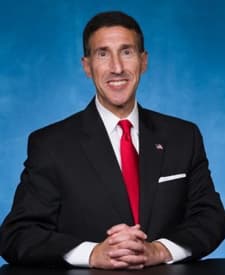
Introduced on Feb 27, 2025 by David Kustoff (R-TN-8). 38 cosponsors, 10 of them from another party. Latest action (Feb 27, 2025): Referred to the House Committee on Ways and Means.
- Stage
- Introduced
- Introduced
- Feb 27, 2025
- Cosponsors
- 38
- 10 from the other party
- Policy area
- Taxation
Progress
The furthest stage the measure reached. Simple and concurrent resolutions do not go to the President.
- Introduced
- 2Reported by committee
- 3Passed one chamber
- 4Passed both chambers
- 5Sent to the President
- 6Became law
Official title
To amend the Internal Revenue Code of 1986 to establish a tax credit to incentivize the purchase of American agricultural commodities.
Summary
By the Congressional Research Service (Introduced in House, Feb 27, 2025). Public domain.
Grown in America Act of 2025
This bill establishes a new tax credit (as part of the general business tax credit) for domestically produced agriculture.
Specifically, the bill allows a tax credit for the lesser of (1) 25% of domestically produced agricultural commodity expenses multiplied by the ratio of such expenses to total agricultural commodity expenses (excluding expenses for agricultural commodities that cannot feasibly be produced domestically), or (1) $100 million. (Conditions apply).
To qualify for the tax credit, a business’s average expenses (over three years) for domestically produced agricultural commodities must exceed a certain percentage of total agricultural commodity expenses (excluding expenses for agricultural commodities that cannot feasibly be produced domestically). The required percentage is 50% for 2026 and increases by 5% each year until it reaches 85% for tax years beginning after 2033.
Under the bill, agricultural commodities include
- horticultural, viticultural, and dairy products;
- livestock and livestock products (excluding live animals);
- poultry and bee raising products; and
- farm-raised fish products.
In addition, the general business tax credit limit based on a business’s tax liability is calculated separately for the domestically produced agriculture tax credit, and the credit is generally limited to 50% of a business’s net regular tax liability.
Finally, domestically produced agriculture tax credit amounts in excess of such limitation may be carried forward for 10 years (rather than the 20 years allowed for other business tax credits).
Sponsor and cosponsors
Cosponsors by party as of the day they signed on. Original cosponsors signed on the day of introduction.
Democrats · 10
- Jim CostaD-CA-21original
- Adam GrayD-CA-13signed on Sep 2, 2025
- Eugene Simon VindmanD-VA-7signed on Oct 8, 2025
- Vicente GonzalezD-TX-34signed on Jan 22, 2026
- Henry CuellarD-TX-28signed on Feb 2, 2026
- J. Luis CorreaD-CA-46signed on Mar 16, 2026
- Josh RileyD-NY-19signed on Apr 14, 2026
- Donald G. DavisD-NC-1signed on Apr 27, 2026
- Patrick RyanD-NY-18signed on May 12, 2026
- John W. MannionD-NY-22signed on Sep 24, 2026
Republicans · 28
- Mark AlfordR-MO-4original
- Mike CareyR-OH-15original
- David RouzerR-NC-7original
- Ashley HinsonR-IA-2signed on Mar 18, 2025
- Dan NewhouseR-WA-4signed on Mar 18, 2025
- Ben ClineR-VA-6signed on Mar 27, 2025
- Darin LaHoodR-IL-16signed on Mar 27, 2025
- August PflugerR-TX-11signed on Mar 27, 2025
- Brad FinstadR-MN-1signed on Apr 2, 2025
- Ronny JacksonR-TX-13signed on Nov 4, 2025
- Brian BabinR-TX-36signed on Nov 18, 2025
- Elise M. StefanikR-NY-21signed on Nov 19, 2025
- Nicholas A. LangworthyR-NY-23signed on Dec 15, 2025
- Pete StauberR-MN-8signed on Dec 23, 2025
- Steve WomackR-AR-3signed on Jan 12, 2026
- Michael LawlerR-NY-17signed on Feb 11, 2026
- Brian JackR-GA-3signed on Feb 20, 2026
- Rick W. AllenR-GA-12signed on Feb 23, 2026
- David G. ValadaoR-CA-22signed on Feb 23, 2026
- Vince FongR-CA-20signed on Mar 3, 2026
- Craig A. GoldmanR-TX-12signed on Mar 5, 2026
- David SchweikertR-AZ-1signed on Mar 19, 2026
- Ann WagnerR-MO-2signed on Apr 20, 2026
- Glenn ThompsonR-PA-15signed on Apr 22, 2026
- Eric A. "Rick" CrawfordR-AR-1signed on Jun 29, 2026
- Max L. MillerR-OH-7signed on Jun 29, 2026
- James GallagherR-CA-1signed on Aug 31, 2026
- Clay FullerR-GA-14signed on Sep 3, 2026
Roll calls
Recorded votes on the measure. Most measures move by voice vote or unanimous consent, which record no individual positions.
No recorded roll call on this measure: it moved by voice vote or unanimous consent, or has not reached the floor.
History
Every action as published, oldest first. Roll calls link to how each member voted.
- Feb 27, 2025Introduced in House
- Feb 27, 2025Introduced in House
- Feb 27, 2025 · HouseReferred to the House Committee on Ways and Means.
Committees
Committees and subcommittees the measure was referred to.
Agencies in its committees' jurisdiction
Analisa's mapping of committee jurisdiction to federal agencies; the bill may touch others, or none of these.
Who lobbied on it
Organizations whose lobbying reports (LD-2) name this measure. Spending is what they reported for those quarters on all issues, not on this measure alone.
- ANHEUSER-BUSCH COMPANIES INC.44 reports
- FOOD MARKETPLACE INC.6 reports$3M reported (all issues)
- NATIONAL COUNCIL OF FARMER COOPERATIVES6 reports$2M reported (all issues)
- USA RICE FEDERATION6 reports$680K reported (all issues)
- AMERICAN FARM BUREAU FED2 reports$583.8K reported (all issues)
- GENERAL MOTORS COMPANY1 report$8.2M reported (all issues)Federal contractor: GENERAL MOTORS LLC$652.9M in contracts, FY2026AI match · 100%
- North American Millers' Association1 report$70K reported (all issues)
- SAZERAC COMPANY, INC.1 report$200K reported (all issues)
Reports filed in 2025, 2026.
Sources and method
Every figure on this page traces to these records.
- Bill status: bills and resolutions, sponsors, actions, subjects and CRS summaries (U.S. Government Publishing Office (GovInfo), from Congress.gov (Library of Congress))GovInfo Bill Status bulk data (Congress.gov; summaries by the Congressional Research Service) · data current to Oct 8, 2026 · loaded Oct 8, 2026 · license: Public domain (U.S. Government work, 17 U.S.C. § 105)
- Members of Congress, their terms, committees and identifiers (The @unitedstates project (from the Biographical Directory of the U.S. Congress, the House and the Senate))unitedstates/congress-legislators: legislators, committees and current committee membership · data current to Oct 3, 2026 · loaded Oct 3, 2026 · license: CC0 1.0 (public domain dedication)
- House roll-call votes (Office of the Clerk, U.S. House of Representatives)Office of the Clerk, U.S. House of Representatives, roll-call vote records · data current to Oct 3, 2026 · loaded Oct 3, 2026 · license: Public domain (U.S. Government work, 17 U.S.C. § 105)
- Senate roll-call votes and DW-NOMINATE scores (Voteview (UCLA Department of Political Science))Lewis, Jeffrey B., Keith Poole, Howard Rosenthal, Adam Boche, Aaron Rudkin, and Luke Sonnet (2026). Voteview: Congressional Roll-Call Votes Database. https://voteview.com/ · data current to Oct 3, 2026 · loaded Oct 3, 2026 · license: Free to use with the required citation
- Lobbying disclosures (LD-1 registrations, LD-2 quarterly reports, LD-203 contribution reports) (Clerk of the U.S. House of Representatives)Clerk of the House, Lobbying Disclosure Act filings (organizations only; lobbyists' names are not loaded) · data current to Oct 7, 2026 · loaded Oct 7, 2026 · license: Public domain (U.S. Government work, 17 U.S.C. § 105)
- Positions are shown only where a roll call recorded them; voice votes and unanimous consent record none.
- Money and votes are shown side by side; neither explains the other.