H.R. 2353 · 119th Congress
Safer Skies Act of 2025
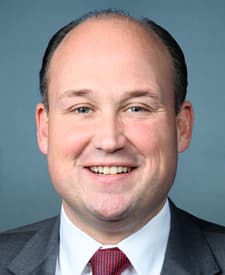
Introduced on Mar 26, 2025 by Nicholas A. Langworthy (R-NY-23). 52 cosponsors, 26 of them from another party. Latest action (Mar 26, 2025): Referred to the Subcommittee on Transportation and Maritime Security.
- Stage
- Introduced
- Introduced
- Mar 26, 2025
- Cosponsors
- 52
- 26 from the other party
- Policy area
- Transportation and Public Works
Progress
The furthest stage the measure reached. Simple and concurrent resolutions do not go to the President.
- Introduced
- 2Reported by committee
- 3Passed one chamber
- 4Passed both chambers
- 5Sent to the President
- 6Became law
Official title
To direct the Administrator of the Transportation Security Administration to update security screening requirements for certain covered air carrier operations.
Summary
By the Congressional Research Service (Introduced in House, Mar 26, 2025). Public domain.
Safer Skies Act of 2025
This bill directs the Transportation Security Administration (TSA) to require that certain small public charter air carrier operations comply with the Aircraft Operator Standard Security Program (AOSSP).
As background, the TSA has different types of security programs based on the nature of the air carrier’s operations. Currently, the AOSSP requirements apply to all scheduled passenger service with a seating capacity of 61 or more seats that operate into or out of a TSA-controlled sterile area.
The TSA also has other security programs that have less stringent security requirements than the AOSSP. These programs are designed for different types of aircraft operators, including operations under Part 135 (e.g., scheduled commuter flights in smaller aircraft) and Part 380 (e.g., public charter flights) of the Department of Transportation’s regulations.
This bill applies the AOSSP requirements to air carriers operating under Part 135 and Part 380 that (1) operate scheduled public charter service, (2) operate airplanes configured with 10 or more passenger seats, and (3) do not enplane or deplane in a TSA-managed checkpoint.
Sponsor and cosponsors
Cosponsors by party as of the day they signed on. Original cosponsors signed on the day of introduction.
Democrats · 26
- Angie CraigD-MN-2original
- Donald G. DavisD-NC-1original
- Daniel S. GoldmanD-NY-10original
- Robert MenendezD-NJ-8original
- Jerrold NadlerD-NY-12original
- Eleanor Holmes NortonD-DCoriginal
- Chris PappasD-NH-1original
- Mike QuigleyD-IL-5original
- Hillary J. ScholtenD-MI-3original
- Adam SmithD-WA-9original
- Shri ThanedarD-MI-13original
- Marc A. VeaseyD-TX-33original
- George LatimerD-NY-16signed on May 15, 2025
- Eugene Simon VindmanD-VA-7signed on Jul 23, 2025
- Lucy McBathD-GA-6signed on Sep 9, 2025
- Troy A. CarterD-LA-2signed on Sep 15, 2025
- LaMonica McIverD-NJ-10signed on Sep 18, 2025
- Debbie Wasserman SchultzD-FL-25signed on Oct 8, 2025
- Timothy M. KennedyD-NY-26signed on Nov 25, 2025
- Kristen McDonald RivetD-MI-8signed on Dec 18, 2025
- Henry C. "Hank" Johnson, Jr.D-GA-4signed on Jan 27, 2026
- Julie JohnsonD-TX-32signed on Apr 29, 2026
- Maxine WatersD-CA-43signed on Apr 29, 2026
- J. Luis CorreaD-CA-46signed on Jul 13, 2026
- James R. WalkinshawD-VA-11signed on Sep 2, 2026
- Laura GillenD-NY-4signed on Sep 24, 2026
Republicans · 26
- Don BaconR-NE-2original
- Jack BergmanR-MI-1original
- Stephanie I. BiceR-OK-5original
- Gus M. BilirakisR-FL-12original
- Robert P. Bresnahan, Jr.R-PA-8original
- Jake EllzeyR-TX-6original
- Brian K. FitzpatrickR-PA-1original
- Andrew R. GarbarinoR-NY-2original
- Carlos A. GimenezR-FL-28original
- Craig A. GoldmanR-TX-12original
- Thomas H. Kean, Jr.R-NJ-7original
- Nick LaLotaR-NY-1original
- Michael LawlerR-NY-17original
- Nicole MalliotakisR-NY-11original
- Tracey MannR-KS-1original
- Christopher H. SmithR-NJ-4original
- Michael R. TurnerR-OH-10original
- David G. ValadaoR-CA-22original
- Jefferson Van DrewR-NJ-2original
- Randy K. Weber, Sr.R-TX-14original
- Robert J. WittmanR-VA-1original
- Mike BostR-IL-12signed on Apr 1, 2025
- Ryan MackenzieR-PA-7signed on Oct 3, 2025
- Dale W. StrongR-AL-5signed on Oct 17, 2025
- Gabe EvansR-CO-8signed on Nov 4, 2025
- Derrick Van OrdenR-WI-3signed on Dec 19, 2025
Roll calls
Recorded votes on the measure. Most measures move by voice vote or unanimous consent, which record no individual positions.
No recorded roll call on this measure: it moved by voice vote or unanimous consent, or has not reached the floor.
History
Every action as published, oldest first. Roll calls link to how each member voted.
- Mar 26, 2025Introduced in House
- Mar 26, 2025Introduced in House
- Mar 26, 2025 · HouseReferred to the House Committee on Homeland Security.
- Mar 26, 2025 · HouseReferred to the Subcommittee on Transportation and Maritime Security.
Committees
Committees and subcommittees the measure was referred to.
Agencies in its committees' jurisdiction
Analisa's mapping of committee jurisdiction to federal agencies; the bill may touch others, or none of these.
Who lobbied on it
Organizations whose lobbying reports (LD-2) name this measure. Spending is what they reported for those quarters on all issues, not on this measure alone.
- AMERICAN AIRLINES INC.27 reports$7.4M reported (all issues)Federal contractor: AMERICAN AIRLINES, INC$8M in contracts, FY2026AI match · 100%
- SOUTHWEST AIRLINES CO12 reports$2.2M reported (all issues)Federal contractor: SOUTHWEST AIRLINES CO.$105.7K in contracts, FY2026AI match · 100%
- AIR LINE PILOTS ASSOCIATION6 reports$1.3M reported (all issues)
- COMMUNICATIONS WORKERS OF AMERICA6 reports$2.7M reported (all issues)
- SOUTHWEST AIRLINES PILOTS ASSOCIATION4 reports$590K reported (all issues)
- ATLAS AIR WORLDWIDE HOLDINGS, INC.2 reports$340K reported (all issues)
- NETJETS ASSOCIATION OF SHARED AIRCRAFT PILOTS2 reports
- Southwest Airlines Pilot Association2 reports$100K reported (all issues)
Reports filed in 2025, 2026.
Sources and method
Every figure on this page traces to these records.
- Bill status: bills and resolutions, sponsors, actions, subjects and CRS summaries (U.S. Government Publishing Office (GovInfo), from Congress.gov (Library of Congress))GovInfo Bill Status bulk data (Congress.gov; summaries by the Congressional Research Service) · data current to Oct 9, 2026 · loaded Oct 9, 2026 · license: Public domain (U.S. Government work, 17 U.S.C. § 105)
- Members of Congress, their terms, committees and identifiers (The @unitedstates project (from the Biographical Directory of the U.S. Congress, the House and the Senate))unitedstates/congress-legislators: legislators, committees and current committee membership · data current to Oct 3, 2026 · loaded Oct 3, 2026 · license: CC0 1.0 (public domain dedication)
- House roll-call votes (Office of the Clerk, U.S. House of Representatives)Office of the Clerk, U.S. House of Representatives, roll-call vote records · data current to Oct 3, 2026 · loaded Oct 3, 2026 · license: Public domain (U.S. Government work, 17 U.S.C. § 105)
- Senate roll-call votes and DW-NOMINATE scores (Voteview (UCLA Department of Political Science))Lewis, Jeffrey B., Keith Poole, Howard Rosenthal, Adam Boche, Aaron Rudkin, and Luke Sonnet (2026). Voteview: Congressional Roll-Call Votes Database. https://voteview.com/ · data current to Oct 3, 2026 · loaded Oct 3, 2026 · license: Free to use with the required citation
- Lobbying disclosures (LD-1 registrations, LD-2 quarterly reports, LD-203 contribution reports) (Clerk of the U.S. House of Representatives)Clerk of the House, Lobbying Disclosure Act filings (organizations only; lobbyists' names are not loaded) · data current to Oct 9, 2026 · loaded Oct 9, 2026 · license: Public domain (U.S. Government work, 17 U.S.C. § 105)
- Positions are shown only where a roll call recorded them; voice votes and unanimous consent record none.
- Money and votes are shown side by side; neither explains the other.