H.R. 2483 · 119th Congress
SUPPORT for Patients and Communities Reauthorization Act of 2025
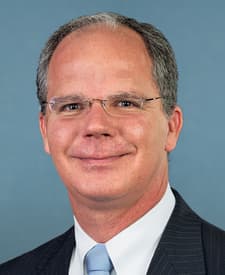
Introduced on Mar 31, 2025 by Brett Guthrie (R-KY-2). One cosponsor. Became Public Law 119-44.
- Stage
- Became law
- Public Law 119-44
- Introduced
- Mar 31, 2025
- Cosponsors
- 1
- 1 from the other party
- Policy area
- Health
Progress
The furthest stage the measure reached. Simple and concurrent resolutions do not go to the President.
- Introduced
- Reported by committee
- Passed one chamber
- Passed both chambers
- Sent to the President
- Became law
Official title
To reauthorize certain programs that provide for opioid use disorder prevention, treatment, and recovery, and for other purposes.
Subjects
- Advisory bodies
- Child health
- Community life and organization
- Computer security and identity theft
- Congressional oversight
- Drug trafficking and controlled substances
- Drug, alcohol, tobacco use
- Emergency communications systems
- Employment and training programs
- Family services
- First responders and emergency personnel
- Government information and archives
- Government lending and loan guarantees
- Government studies and investigations
- Health care coverage and access
- Health information and medical records
- Health personnel
- Health programs administration and funding
- Health promotion and preventive care
- Higher education
- Housing and community development funding
- Intergovernmental relations
- Long-term, rehabilitative, and terminal care
- Medical education
- Medical research
- Mental health
- Prescription drugs
- Social work, volunteer service, charitable organizations
- State and local government operations
- Student aid and college costs
- Transportation costs
- Women's health
Summary
By the Congressional Research Service (Public Law, Dec 1, 2025). Public domain.
SUPPORT for Patients and Communities Reauthorization Act of 2025
This act reauthorizes and revises programs and activities relating to addressing substance use disorders, overdoses, and mental health. (For additional information on each section of this act, see CRS Report R48864.)
TITLE I--PREVENTION
(Sec. 101) This section reauthorizes through FY2030 Centers for Disease Control and Prevention (CDC) programs that provide information, grants, and technical assistance relating to studying and preventing prenatal and postnatal substance use disorders.
(Sec. 102) This section reauthorizes through FY2030 CDC programs that carry out and provide grants for surveillance, treatment, and education relating to infections associated with illicit drug use.
(Sec. 103) This section reauthorizes through FY2030 and expands CDC programs that carry out activities and provide grants relating to monitoring drug use and overdoses (e.g., supporting state prescription drug monitoring programs), preventing and responding to substance use disorders, and raising awareness regarding opioids and other substances.
Read the full summary
The section authorizes additional activities, including wastewater surveillance and collecting data on risk factors associated with overdoses.
(Sec. 104) This section reestablishes, expands, and provides statutory authority for Department of Health and Human Services (HHS) activities addressing fetal alcohol spectrum disorders (i.e., conditions caused by prenatal alcohol exposure), including carrying out and providing grants for research, education and public awareness, and intervention and support services for affected individuals.
(Sec. 105) This section specifies that, in providing grants to support state prescription drug monitoring programs, the CDC is not authorized to require states to use specific vendors or interoperability systems other than to align with general, consensus-based standards for interoperability.
(Sec. 106) This section reauthorizes through FY2030 and expands grants to government entities to provide first responders with opioid overdose reversal drugs (e.g., naloxone) and related training. The grant program is administered by the Substance Abuse and Mental Health Services Administration (SAMHSA).
The section expands the program to include (1) treatment and training for overdoses from other drugs besides opioids, and (2) treatment with drugs or devices that are legally marketed under applicable law. Current law limits the program to addressing opioid overdoses and to drugs or devices that are officially approved or cleared by the Food and Drug Administration (FDA).
(Sec. 107) This section reauthorizes through FY2030 and revises the National Child Traumatic Stress Initiative and related activities, which are administered by SAMHSA. Under the initiative, SAMHSA provides grants and other support to improve the quality of and increase access to services addressing psychological trauma in youth and families.
The section requires grant recipients to develop training and other resources for collaborative implementation of best practices.
(Sec. 108) This section requires SAMHSA to undertake efforts to protect the 9-8-8 Suicide & Crisis Lifeline from cybersecurity threats. (The lifeline is a three-digit number that connects callers in suicidal crisis or mental health distress to a national network of crisis centers.) The section includes requirements for the lifeline’s network administrator and participating local and regional crisis centers to report identified cybersecurity incidents and vulnerabilities.
The Government Accountability Office must conduct a study that evaluates cybersecurity risks and vulnerabilities associated with the lifeline and report the findings to Congress.
(Sec. 109) This section reauthorizes through FY2030 CDC activities to collect and report certain public health data relating to potentially traumatic childhood experiences.
(Sec. 110) This section reauthorizes through FY2030 an interdepartmental committee on substance use disorders, establishes an interagency work group on fentanyl contamination of illegal drugs, and expands certain SAMHSA activities to include supporting strategies to raise awareness about the dangers of synthetic opioids for youth.
(Sec. 111) This section requires HHS to publish guidance regarding at-home safe drug disposal systems.
(Sec. 112) This section requires HHS to publish a plan for assessing approved opioid analgesic drugs (i.e., opioid pain relievers) that addresses the public health effects of these drugs, including updates on actions by the FDA with respect to risk-benefit assessments and supporting development and approval of nonaddictive medical products. HHS must provide an opportunity for public input on the FDA’s regulation of opioid analgesic drugs.
(Sec. 113) This section provides statutory authority for SAMHSA’s State Opioid Response and Tribal Opioid Response Grants to be used for facilitating access to drug checking technologies, such as fentanyl and xylazine test strips, to the extent permitted by federal and state law.
TITLE II--TREATMENT
(Sec. 201) This section reauthorizes through FY2030 the Residential Treatment for Pregnant and Postpartum Women program, which is administered by the Center for Substance Abuse Treatment within SAMHSA. This program awards grants to fund services for pregnant and postpartum women with substance use disorders, including services for treatment, recovery support, and case management.
The section also specifically allows grant recipients to conduct outreach that is targeted at women disproportionately impacted by maternal substance use disorders.
(Sec. 202) This section provides statutory authority for the Minority Fellowship Program to include fellowships for training in the field of addiction medicine. The Minority Fellowship Program, administered by SAMHSA, funds fellowships for individuals seeking graduate degrees and planning to work on addressing mental or substance use disorders in racial and ethnic minority populations.
(Sec. 203) This section reauthorizes through FY2030 the Behavioral Health Workforce Education and Training Program for Professionals, which is administered by the Health Resources and Services Administration (HRSA). This program provides grants to educational organizations and programs to recruit and educate students in mental and behavioral health.
(Sec. 204) This section reauthorizes through FY2030 the Substance Use Disorder Treatment and Recovery Loan Repayment Program, which is administered by HRSA. This program provides repayment of educational loans for health care practitioners who agree to provide direct treatment or recovery support for substance use disorders in certain areas with shortages of health professionals or high rates of overdose.
(Sec. 206) This section reauthorizes through FY2030 and expands an interagency task force that must develop recommendations relating to (1) best practices for preventing and mitigating trauma in youth and (2) coordinating the federal response to families impacted by substance use disorders and other trauma.
(Sec. 208) This section requires SAMHSA to conduct a review of how states use funds under the Community Mental Health Services Block Grant program to address first episode psychosis, including the use of evidence-based services for individuals with early serious mental illness and children with serious emotional disturbance. SAMHSA must report to Congress on the findings of the review and update the guidance for the block grant program based on such findings.
(Sec. 209) This section requires HHS to review relevant data and, if determined appropriate, request that the Drug Enforcement Administration (DEA) revise the scheduling of approved products containing a combination of buprenorphine and naloxone under the Controlled Substances Act. The DEA must review such requests and determine whether to revise the schedules.
(Sec. 210) This section requires that, when HHS issues new regulations or guidance on grant programs addressing opioid use disorders, references to an opioid overdose reversal drug (e.g., naloxone) must broadly include any opioid overdose reversal drug approved by the FDA.
Within one year after the act’s enactment, HHS must update all references accordingly in regulations or guidance issued prior to the act’s enactment that are applicable to State Opioid Response Grants, Tribal Opioid Response Grants, or certain other grants relating to substance use disorder prevention.
(Sec. 211) This section requires HHS to convene a public roundtable with public and private stakeholders on expanding the use of electronic health records among mental health and substance use disorder service providers. HHS must report to Congress on the results of the roundtable with respect to specified topics.
TITLE III--RECOVERY
(Sec. 301) This section reauthorizes through FY2030 the Building Communities of Recovery program, which is administered by the Center for Substance Abuse Treatment within SAMHSA. This program provides grants to certain community nonprofit organizations for developing and delivering coordinated community and statewide recovery support services for individuals with substance use disorders.
(Sec. 302) This section reauthorizes through FY2030 and expands the National Peer-Run Training and Technical Assistance Center for Addiction Recovery Support, which is administered by SAMHSA. The center provides training and resources to public and private nonprofit entities relating to recovery support services for substance use disorders and co-occurring conditions (i.e., mental health conditions coexisting with substance use disorders).
The section expands the center's functions to include professional development of peer support specialists and recovery support services in nonclinical settings. It also authorizes through FY2030 a regional technical assistance center to support the ability of the center to meet a particular region's needs.
(Sec. 303) This section reauthorizes through FY2030 grants to nonprofits for establishing or operating opioid recovery centers providing comprehensive treatment and recovery support services. The grant program is administered by SAMHSA.
(Sec. 304) This section reauthorizes through FY2030 and revises the Preventing Youth Overdose: Treatment, Recovery, Education, Awareness, and Training (PYO-TREAT) program, which is administered by SAMHSA. The PYO-TREAT program provides grants and other support to educational and public entities for substance use disorder prevention, treatment, and recovery for children and young adults.
The section revises the program to provide statutory authority for (1) requiring applicants to submit plans for sustaining activities under the program after the grant has ended, and (2) expanding eligible grant recipients to include consortia of local educational agencies. SAMHSA must report to Congress on the PYO-TREAT program’s effectiveness.
(Sec. 305) This section reauthorizes through FY2030 and expands the Treatment, Recovery, and Workforce Support program, which is administered by SAMHSA. This program provides grants to public and private nonprofit entities to support individuals in treatment and recovery for substance use disorders and co-occurring conditions to live independently and participate in the workforce.
The section authorizes using 5% of such grant funds for transportation services and requires grant recipients to report on the employment and earnings outcomes of program participants.
Also, the section reauthorizes through FY2030 the Recovery Housing Pilot Program, which assists states in providing individuals in recovery from a substance use disorder with stable, temporary housing for up to two years. This program is administered by the Department of Housing and Urban Development.
(Sec. 306) This section reauthorizes through FY2030 the Support to Communities: Fostering Opioid Recovery through Workforce Development program, which is administered by the Department of Labor. This program provides grants to public entities to address the economic and workforce-related impacts of substance use disorders through activities such as screening and support services, training, and engaging with employers.
(Sec. 307) This section requires HHS to convene a public meeting relating to improving awareness of and access to grants provided by SAMHSA. Based on the stakeholder feedback received at the meeting, HHS must implement improvements to relevant websites and report to Congress.
TITLE IV--MISCELLANEOUS MATTERS
(Sec. 401) This section allows pharmacies to deliver to prescribing practitioners schedule III-V controlled substances that are not directly administered by the practitioner (i.e., self-administered), provided the controlled substances are subject to a risk evaluation and mitigation strategy to assure safe use by the patient, including post-administration monitoring by a health care provider.
(Sec. 402) This section expands the types of organizations that may provide training or education required for practitioners registering with the DEA to dispense (i.e., prescribe or administer) schedule II-V controlled substances. This section applies retroactively, taking effect as if enacted on December 29, 2022.
Sponsor and cosponsors
Cosponsors by party as of the day they signed on. Original cosponsors signed on the day of introduction.
Democrats · 1
- Brittany PettersenD-CO-7original
Roll calls
Recorded votes on the measure. Most measures move by voice vote or unanimous consent, which record no individual positions.
- Jun 4, 2025· House· Amendments· Failed 213–213
- Jun 4, 2025· House· Passage· Passed 366–57
History
Every action as published, oldest first. Roll calls link to how each member voted.
- Mar 31, 2025Introduced in House
- Mar 31, 2025Introduced in House
- Mar 31, 2025 · HouseReferred to the Committee on Energy and Commerce, and in addition to the Committees on Education and Workforce, the Judiciary, and Financial Services, for a period to be subsequently determined by the Speaker, in each case for consideration of such provisions as fall within the jurisdiction of the committee concerned.
- Mar 31, 2025 · HouseReferred to the Committee on Energy and Commerce, and in addition to the Committees on Education and Workforce, the Judiciary, and Financial Services, for a period to be subsequently determined by the Speaker, in each case for consideration of such provisions as fall within the jurisdiction of the committee concerned.
- Mar 31, 2025 · HouseReferred to the Committee on Energy and Commerce, and in addition to the Committees on Education and Workforce, the Judiciary, and Financial Services, for a period to be subsequently determined by the Speaker, in each case for consideration of such provisions as fall within the jurisdiction of the committee concerned.
- Mar 31, 2025 · HouseReferred to the Committee on Energy and Commerce, and in addition to the Committees on Education and Workforce, the Judiciary, and Financial Services, for a period to be subsequently determined by the Speaker, in each case for consideration of such provisions as fall within the jurisdiction of the committee concerned.
- Apr 29, 2025 · HouseCommittee Consideration and Mark-up Session Held
- Apr 29, 2025 · HouseOrdered to be Reported (Amended) by the Yeas and Nays: 36 - 13.
- May 29, 2025Reported (Amended) by the Committee on Energy and Commerce. H. Rept. 119-114, Part I.
- May 29, 2025 · HouseReported (Amended) by the Committee on Energy and Commerce. H. Rept. 119-114, Part I.
- May 29, 2025Committee on Education and Workforce discharged.
- May 29, 2025 · HouseCommittee on Education and Workforce discharged.
- May 29, 2025Committee on the Judiciary discharged.
- May 29, 2025 · HouseCommittee on the Judiciary discharged.
- May 29, 2025Committee on Financial Services discharged.
- May 29, 2025 · HouseCommittee on Financial Services discharged.
- May 29, 2025 · HousePlaced on the Union Calendar, Calendar No. 84.
- Jun 3, 2025 · HouseRules Committee Resolution H. Res. 458 Reported to House. Rule provides for consideration of H.R. 2483, H.R. 2931, H.R. 2966 and H.R. 2987. The resolution provides for consideration of H.R. 2483 under a structured rule and for consideration of H.R. 2931, H.R. 2966, and H.R. 2987 under a closed rule. The resolution provides for one hour of debate and one motion to recommit on each bill.
- Jun 4, 2025 · HouseConsidered under the provisions of rule H. Res. 458. (consideration: CR H2441-2456; text: CR H2447-2543)
- Jun 4, 2025 · HouseRule provides for consideration of H.R. 2483, H.R. 2931, H.R. 2966 and H.R. 2987. The resolution provides for consideration of H.R. 2483 under a structured rule and for consideration of H.R. 2931, H.R. 2966, and H.R. 2987 under a closed rule. The resolution provides for one hour of debate and one motion to recommit on each bill.
- Jun 4, 2025 · HouseHouse resolved itself into the Committee of the Whole House on the state of the Union pursuant to H. Res. 458 and Rule XVIII.
- Jun 4, 2025 · HouseThe Speaker designated the Honorable Scott DesJarlais to act as Chairman of the Committee.
- Jun 4, 2025 · HouseGENERAL DEBATE - The Committee of the Whole proceeded with one hour of general debate on H.R. 2483.
- Jun 4, 2025 · HouseDEBATE - Pursuant to the provisions of H.Res. 458, the Committee of the Whole proceeded with 10 minutes of debate on the Bresnahan amendment No. 1.
- Jun 4, 2025 · HouseDEBATE - Pursuant to the provisions of H.Res. 458, the Committee of the Whole proceeded with 10 minutes of debate on the Kiggans (VA) amendment No. 2.
- Jun 4, 2025 · HouseDEBATE - Pursuant to the provisions of H.Res. 458, the Committee of the Whole proceeded with 10 minutes of debate on the Pettersen amendment No. 3.
- Jun 4, 2025 · HousePOSTPONED PROCEEDINGS - At the conclusion of debate on the Pettersen amendment, the Chair put the question on agreeing to the amendment and by voice vote, announced the noes had prevailed. Ms. Pettersen demanded a recorded vote, and the Chair postponed further proceedings until a time to be announced.
- Jun 4, 2025 · HouseDEBATE - Pursuant to the provisions of H.Res. 458, the Committee of the Whole proceeded with 10 minutes of debate on the Wittman amendment No. 4.
- Jun 4, 2025 · HouseMr. Wittman moved that the committee rise.
- Jun 4, 2025 · HouseOn motion that the committee rise Agreed to by voice vote.
- Jun 4, 2025 · HouseCommittee of the Whole House on the state of the Union rises leaving H.R. 2483 as unfinished business.
- Jun 4, 2025 · HouseConsidered as unfinished business. (consideration: CR H2456-2457)
- Jun 4, 2025 · HouseThe House resolved into Committee of the Whole House on the state of the Union for further consideration.
- Jun 4, 2025 · HouseThe House rose from the Committee of the Whole House on the state of the Union to report H.R. 2483.
- Jun 4, 2025 · HouseThe previous question was ordered pursuant to the rule.
- Jun 4, 2025 · HouseThe House adopted the amendments en gros as agreed to by the Committee of the Whole House on the state of the Union.
- Jun 4, 2025Passed/agreed to in House: On passage Passed by the Yeas and Nays: 366 - 57 (Roll no. 151).House · Roll call 151
- Jun 4, 2025 · HouseOn passage Passed by the Yeas and Nays: 366 - 57 (Roll no. 151).House · Roll call 151
- Jun 4, 2025 · HouseMotion to reconsider laid on the table Agreed to without objection.
- Jun 5, 2025 · SenateReceived in the Senate and Read twice and referred to the Committee on Health, Education, Labor, and Pensions.
- Sep 18, 2025Senate Committee on Health, Education, Labor, and Pensions discharged by Unanimous Consent.
- Sep 18, 2025 · SenateSenate Committee on Health, Education, Labor, and Pensions discharged by Unanimous Consent.
- Sep 18, 2025Passed/agreed to in Senate: Passed Senate without amendment by Unanimous Consent.
- Sep 18, 2025 · SenatePassed Senate without amendment by Unanimous Consent. (consideration: CR S6712)
- Sep 19, 2025 · SenateMessage on Senate action sent to the House.
- Nov 25, 2025Presented to President.
- Nov 25, 2025 · HousePresented to President.
- Dec 1, 2025Signed by President.
- Dec 1, 2025Signed by President.
- Dec 1, 2025Became Public Law No: 119-44
- Dec 1, 2025Became Public Law No: 119-44.
Committees
Committees and subcommittees the measure was referred to.
Agencies in its committees' jurisdiction
Analisa's mapping of committee jurisdiction to federal agencies; the bill may touch others, or none of these.
- Consumer Financial Protection Bureau
- Consumer Product Safety Commission
- Department of Commerce
- Department of Education
- Department of Energy
- Department of Health and Human Services
- Department of Housing and Urban Development
- Department of Justice
- Department of Labor
- Department of the Treasury
- Environmental Protection Agency
- Export-Import Bank of the United States
- FEDERAL DEPOSIT INSURANCE CORPORATION
- Federal Communications Commission
- Federal Housing Finance Agency
- Federal Trade Commission
- LABOR, DEPARTMENT OF
- National Credit Union Administration
- National Labor Relations Board
- Nuclear Regulatory Commission
- Pension Benefit Guaranty Corporation
- Securities and Exchange Commission
Who lobbied on it
Organizations whose lobbying reports (LD-2) name this measure. Spending is what they reported for those quarters on all issues, not on this measure alone.
- American Academy of Family Physicians9 reports
- Mental Health America9 reports$73K reported (all issues)
- AMERICAN COLLEGE OF EMERGENCY PHYSICIANS6 reports$2.8M reported (all issues)Federal contractor: AMERICAN COLLEGE OF EMERGENCY PHYSICIANS$92K in contracts, FY2026AI match · 100%
- AMERICAN OPTOMETRIC ASSOCIATION6 reports$4.8M reported (all issues)
- Emergency Nurses Association6 reports$277.1K reported (all issues)Federal contractor: EMERGENCY NURSES ASSOCIATION$201.3K in contracts, FY2026AI match · 100%
- JOHNSON & JOHNSON SERVICES, INC.6 reports$5M reported (all issues)
- MASSACHUSETTS MEDICAL SOCIETY6 reports$330K reported (all issues)
- NATIONAL ASSOCIATION OF CHILDREN'S HOSPITALS (N.A.C.H.)6 reports$9.3M reported (all issues)
- NATIONAL COUNCIL FOR BEHAVIORAL HEALTH6 reports$960.1K reported (all issues)Federal contractor: NATIONAL COUNCIL FOR BEHAVIORAL HEALTH$4.3M in contracts, FY2026AI match · 100%
- National Alliance on Mental Illness6 reports$80K reported (all issues)
- National Association of Boards of Pharmacy6 reports$160K reported (all issues)
- PHYSICIAN ASSISTANT EDUCATION ASSOCIATION6 reports$800K reported (all issues)
- Trust for America's Health6 reports$243.4K reported (all issues)
- AMERICAN PSYCHIATRIC ASSOCIATION5 reports$1.2M reported (all issues)Federal contractor: AMERICAN PSYCHIATRIC ASSOCIATION$645K in contracts, FY2026AI match · 100%
- American Medical Association5 reports$28.2M reported (all issues)Federal contractor: AMERICAN MEDICAL ASSOCIATION$371K in contracts, FY2026AI match · 99%
- Clark County, NV (Office of the County Manager)5 reports$200K reported (all issues)
- NAADAC, the Association for Addiction Professionals5 reports$70K reported (all issues)
- Bamboo Health4 reports$320K reported (all issues)
- COUNTY OF VENTURA4 reports$240K reported (all issues)
- County of Santa Barbara4 reports$96K reported (all issues)
- EMERGENT BIOSOLUTIONS INC.4 reports$960K reported (all issues)Federal contractor: EMERGENT BIOSOLUTIONS CANADA INC$118.3M in contracts, FY2026AI match · 100%
- The American Occupational Therapy Association, Inc. (AOTA)4 reports$756K reported (all issues)
- Tobacco-Free Kids Action Fund fka Global Health Advocacy Incubator (GHAI)4 reports$160K reported (all issues)
- BLUE CROSS BLUE SHIELD OF MICHIGAN3 reports$797.9K reported (all issues)
- Bipartisan Policy Center Action3 reports
- Blue Cross and Blue Shield Association3 reports$3.8M reported (all issues)
- Blue Cross and Blue Shield of Florida, Inc.3 reports$290K reported (all issues)
- Indivior Inc3 reports
- Mental Health Association of New York City, Inc. (dba Vibrant Emotional Health)3 reports$150K reported (all issues)Federal contractor: THE MENTAL HEALTH ASSOCIATION OF NEW YORK CITY, INC.$5.2M in contracts, FY2026AI match · 100%
- National Association of Pediatric Nurse Practitioners3 reports$72K reported (all issues)
- National League for Nursing3 reports$84.7K reported (all issues)
- SANDY HOOK PROMISE ACTION FUND3 reports$390K reported (all issues)
- AMERICAN HOSPITAL ASSOCIATION2 reports$11.9M reported (all issues)Federal contractor: AMERICAN HOSPITAL ASSOCIATION$1.2M in contracts, FY2026AI match · 99%
- American Association of Psychiatric Pharmacists2 reports$60K reported (all issues)
- BCBSM, Inc.2 reports$60K reported (all issues)
- BLUE CROSS AND BLUE SHIELD OF KANSAS, INC.2 reports$20K reported (all issues)
- CENCORA, INC.2 reports$2.6M reported (all issues)
- COLLEGE OF AMERICAN PATHOLOGISTS2 reports$274.3K reported (all issues)Federal contractor: COLLEGE OF AMERICAN PATHOLOGISTS$18M in contracts, FY2026AI match · 99%
- Fletcher Group, Inc.2 reports$60K reported (all issues)
- KAISER FOUNDATION HEALTH PLAN INC.2 reports$1.1M reported (all issues)Federal contractor: KAISER FOUNDATION HEALTH PLAN OF WASHINGTONAI match · 97%
Reports filed in 2025, 2026.
Sources and method
Every figure on this page traces to these records.
- Bill status: bills and resolutions, sponsors, actions, subjects and CRS summaries (U.S. Government Publishing Office (GovInfo), from Congress.gov (Library of Congress))GovInfo Bill Status bulk data (Congress.gov; summaries by the Congressional Research Service) · data current to Oct 6, 2026 · loaded Oct 6, 2026 · license: Public domain (U.S. Government work, 17 U.S.C. § 105)
- Members of Congress, their terms, committees and identifiers (The @unitedstates project (from the Biographical Directory of the U.S. Congress, the House and the Senate))unitedstates/congress-legislators: legislators, committees and current committee membership · data current to Oct 3, 2026 · loaded Oct 3, 2026 · license: CC0 1.0 (public domain dedication)
- House roll-call votes (Office of the Clerk, U.S. House of Representatives)Office of the Clerk, U.S. House of Representatives, roll-call vote records · data current to Oct 3, 2026 · loaded Oct 3, 2026 · license: Public domain (U.S. Government work, 17 U.S.C. § 105)
- Senate roll-call votes and DW-NOMINATE scores (Voteview (UCLA Department of Political Science))Lewis, Jeffrey B., Keith Poole, Howard Rosenthal, Adam Boche, Aaron Rudkin, and Luke Sonnet (2026). Voteview: Congressional Roll-Call Votes Database. https://voteview.com/ · data current to Oct 3, 2026 · loaded Oct 3, 2026 · license: Free to use with the required citation
- Lobbying disclosures (LD-1 registrations, LD-2 quarterly reports, LD-203 contribution reports) (Clerk of the U.S. House of Representatives)Clerk of the House, Lobbying Disclosure Act filings (organizations only; lobbyists' names are not loaded) · data current to Oct 6, 2026 · loaded Oct 6, 2026 · license: Public domain (U.S. Government work, 17 U.S.C. § 105)
- Positions are shown only where a roll call recorded them; voice votes and unanimous consent record none.
- Money and votes are shown side by side; neither explains the other.