H.R. 4464 · 119th Congress
Preventive Health Savings Act
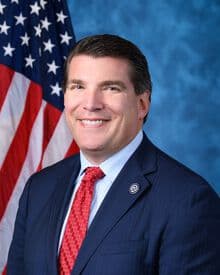
Introduced on Jul 16, 2025 by Jay Obernolte (R-CA-23). 22 cosponsors, 8 of them from another party. Latest action (Sep 16, 2026): Ordered to be Reported by the Yeas and Nays: 29 - 0.
- Stage
- Introduced
- Introduced
- Jul 16, 2025
- Cosponsors
- 22
- 8 from the other party
- Policy area
- Economics and Public Finance
Progress
The furthest stage the measure reached. Simple and concurrent resolutions do not go to the President.
- Introduced
- 2Reported by committee
- 3Passed one chamber
- 4Passed both chambers
- 5Sent to the President
- 6Became law
Official title
To amend the Congressional Budget Act of 1974 respecting the scoring of preventive health savings.
Subjects
- Accounting and auditing
- Budget deficits and national debt
- Budget process
- Congressional oversight
- Health care costs and insurance
- Health programs administration and funding
- Health promotion and preventive care
Summary
By the Congressional Research Service (Introduced in House, Jul 16, 2025). Public domain.
Preventive Health Savings Act
This bill requires the Congressional Budget Office (CBO), upon receiving a request from Congress, to determine if proposed legislation would reduce spending outside of the 10-year budget window through the use of preventive health care.
Under the bill, the term preventive health care generally refers to an action that focuses on the health of the public, individuals, and defined populations in order to protect, promote, and maintain health and wellness and prevent disease, disability, and premature death.
If CBO determines that the proposed legislation would result in net reductions in budget outlays from the use of preventive health care, any CBO projection regarding the legislation must include (1) a description and estimate of the reductions in outlays, and (2) a description of the basis for these conclusions.
Any estimate provided by CBO pursuant to this bill must be used as a supplementary estimate and may not be used to determine compliance with the Congressional Budget Act of 1974 or any other budgetary enforcement controls.
Sponsor and cosponsors
Cosponsors by party as of the day they signed on. Original cosponsors signed on the day of introduction.
Democrats · 8
- Diana DeGetteD-CO-1original
- Scott H. PetersD-CA-50original
- Suzan K. DelBeneD-WA-1signed on Jul 23, 2025
- Kim SchrierD-WA-8signed on Jul 25, 2025
- Bill FosterD-IL-11signed on Sep 30, 2025
- Eugene Simon VindmanD-VA-7signed on Oct 21, 2025
- Derek TranD-CA-45signed on Dec 15, 2025
- Herbert C. Conaway, Jr.D-NJ-3signed on Dec 16, 2025
Independents · 1
- Kevin KileyI-CA-3signed on Jul 23, 2025
Republicans · 13
- Earl L. "Buddy" CarterR-GA-1original
- Carol D. MillerR-WV-1signed on Jul 22, 2025
- Troy BaldersonR-OH-12signed on Jul 23, 2025
- Gregory F. MurphyR-NC-3signed on Jul 23, 2025
- Blake D. MooreR-UT-1signed on Jul 29, 2025
- Vern BuchananR-FL-16signed on Aug 15, 2025
- Rudy Yakym IIIR-IN-2signed on Sep 2, 2025
- Young KimR-CA-40signed on Oct 3, 2025
- Lloyd SmuckerR-PA-11signed on Oct 21, 2025
- Robert F. Onder, Jr.R-MO-3signed on May 13, 2026
- Mike CareyR-OH-15signed on Sep 15, 2026
- Mariannette Miller-MeeksR-IA-1signed on Sep 24, 2026
- Jodey C. ArringtonR-TX-19signed on Oct 1, 2026
Roll calls
Recorded votes on the measure. Most measures move by voice vote or unanimous consent, which record no individual positions.
No recorded roll call on this measure: it moved by voice vote or unanimous consent, or has not reached the floor.
History
Every action as published, oldest first. Roll calls link to how each member voted.
- Jul 16, 2025Introduced in House
- Jul 16, 2025Introduced in House
- Jul 16, 2025 · HouseReferred to the House Committee on the Budget.
- Sep 16, 2026 · HouseCommittee Consideration and Mark-up Session Held
- Sep 16, 2026 · HouseOrdered to be Reported by the Yeas and Nays: 29 - 0.
Committees
Committees and subcommittees the measure was referred to.
Who lobbied on it
Organizations whose lobbying reports (LD-2) name this measure. Spending is what they reported for those quarters on all issues, not on this measure alone.
- American College of Preventive Medicine5 reportsFederal contractor: AMERICAN COLLEGE OF PREVENTIVE MEDICINE, INC. (THE)$8,125 in contracts, FY2026AI match · 100%
- PREMIER INC.4 reports$760K reported (all issues)
- Healthcare Leadership Council3 reports$600K reported (all issues)
- American Medical Association1 report$4.6M reported (all issues)Federal contractor: AMERICAN MEDICAL ASSOCIATION$371K in contracts, FY2026AI match · 99%
Reports filed in 2025, 2026.
Sources and method
Every figure on this page traces to these records.
- Bill status: bills and resolutions, sponsors, actions, subjects and CRS summaries (U.S. Government Publishing Office (GovInfo), from Congress.gov (Library of Congress))GovInfo Bill Status bulk data (Congress.gov; summaries by the Congressional Research Service) · data current to Oct 6, 2026 · loaded Oct 6, 2026 · license: Public domain (U.S. Government work, 17 U.S.C. § 105)
- Members of Congress, their terms, committees and identifiers (The @unitedstates project (from the Biographical Directory of the U.S. Congress, the House and the Senate))unitedstates/congress-legislators: legislators, committees and current committee membership · data current to Oct 3, 2026 · loaded Oct 3, 2026 · license: CC0 1.0 (public domain dedication)
- House roll-call votes (Office of the Clerk, U.S. House of Representatives)Office of the Clerk, U.S. House of Representatives, roll-call vote records · data current to Oct 3, 2026 · loaded Oct 3, 2026 · license: Public domain (U.S. Government work, 17 U.S.C. § 105)
- Senate roll-call votes and DW-NOMINATE scores (Voteview (UCLA Department of Political Science))Lewis, Jeffrey B., Keith Poole, Howard Rosenthal, Adam Boche, Aaron Rudkin, and Luke Sonnet (2026). Voteview: Congressional Roll-Call Votes Database. https://voteview.com/ · data current to Oct 3, 2026 · loaded Oct 3, 2026 · license: Free to use with the required citation
- Lobbying disclosures (LD-1 registrations, LD-2 quarterly reports, LD-203 contribution reports) (Clerk of the U.S. House of Representatives)Clerk of the House, Lobbying Disclosure Act filings (organizations only; lobbyists' names are not loaded) · data current to Oct 6, 2026 · loaded Oct 6, 2026 · license: Public domain (U.S. Government work, 17 U.S.C. § 105)
- Positions are shown only where a roll call recorded them; voice votes and unanimous consent record none.
- Money and votes are shown side by side; neither explains the other.