H.R. 9736 · 119th Congress
Stop CHEATERS Act
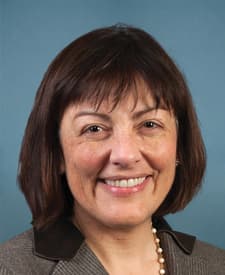
Introduced on Jul 16, 2026 by Suzan K. DelBene (D-WA-1). 42 cosponsors, all from the sponsor's party. Latest action (Jul 16, 2026): Referred to the House Committee on Appropriations.
- Stage
- Introduced
- Introduced
- Jul 16, 2026
- Cosponsors
- 42
- 0 from the other party
- Policy area
- Taxation
Progress
The furthest stage the measure reached. Simple and concurrent resolutions do not go to the President.
- Introduced
- 2Reported by committee
- 3Passed one chamber
- 4Passed both chambers
- 5Sent to the President
- 6Became law
Official title
To provide appropriations for the Internal Revenue Service to overhaul technology and strengthen enforcement, and for other purposes.
Summary
By the Congressional Research Service (Introduced in House, Jul 16, 2026). Public domain.
Stop Corporations and High Earners from Avoiding Taxes and Enforce the Rules Strictly Act or the Stop CHEATERS Act
This bill provides additional appropriations to the Internal Revenue Service (IRS) for FY2026-FY2031 and establishes reporting requirements related to tax enforcement for high-income individuals and corporations.
The bill provides specified appropriations to the IRS for FY2026-FY2031 for purposes such as tax enforcement, taxpayer services, technology and operations support, and business systems modernization. The funds provided by the bill remain available until expended.
The bill also requires the IRS to submit a report to Congress every two years that includes a comprehensive description of a plan to
- shift more IRS auditing and enforcement assets toward high-income individuals and large corporations,
- recruit and retain auditors with the skills essential to audit high-income individuals and large corporations, and
- increase voluntary compliance among high-income individuals and large corporations.
The report must also include (1) a description of the progress that has been made in implementing the plan; and (2) an analysis of how much of the difference between the taxes owed and the taxes collected by the IRS is attributable to taxpayers at different income levels, including high-income individuals and large corporations.
The bill also requires the Treasury Inspector General for Tax Administration to submit a report to Congress evaluating the IRS's plan and its progress in implementing the plan.
Sponsor and cosponsors
Cosponsors by party as of the day they signed on. Original cosponsors signed on the day of introduction.
Democrats · 42
- Nanette Diaz BarragánD-CA-44original
- Donald S. Beyer, Jr.D-VA-8original
- Suzanne BonamiciD-OR-1original
- André CarsonD-IN-7original
- Judy ChuD-CA-28original
- Danny K. DavisD-IL-7original
- Christopher R. DeluzioD-PA-17original
- Maxine DexterD-OR-3original
- Valerie P. FousheeD-NC-4original
- Jesús G. "Chuy" GarcíaD-IL-4original
- Daniel S. GoldmanD-NY-10original
- Jimmy GomezD-CA-34original
- Maggie GoodlanderD-NH-2original
- Adelita S. GrijalvaD-AZ-7original
- Steven HorsfordD-NV-4original
- Pramila JayapalD-WA-7original
- Henry C. "Hank" Johnson, Jr.D-GA-4original
- Ro KhannaD-CA-17original
- John B. LarsonD-CT-1original
- Summer L. LeeD-PA-12original
- Sarah McBrideD-DEoriginal
- James P. McGovernD-MA-2original
- Gwen MooreD-WI-4original
- Seth MoultonD-MA-6original
- Kevin MullinD-CA-15original
- Joe NeguseD-CO-2original
- Eleanor Holmes NortonD-DCoriginal
- Mark PocanD-WI-2original
- Mike QuigleyD-IL-5original
- Emily RandallD-WA-6original
- Linda T. SánchezD-CA-38original
- Mary Gay ScanlonD-PA-5original
- Janice D. SchakowskyD-IL-9original
- Terri A. SewellD-AL-7original
- Lateefah SimonD-CA-12original
- Thomas R. SuozziD-NY-3original
- Dina TitusD-NV-1original
- Rashida TlaibD-MI-12original
- Paul TonkoD-NY-20original
- Hillary J. ScholtenD-MI-3signed on Sep 1, 2026
- Greg CasarD-TX-35signed on Oct 1, 2026
- Suhas SubramanyamD-VA-10signed on Oct 1, 2026
Roll calls
Recorded votes on the measure. Most measures move by voice vote or unanimous consent, which record no individual positions.
No recorded roll call on this measure: it moved by voice vote or unanimous consent, or has not reached the floor.
History
Every action as published, oldest first. Roll calls link to how each member voted.
- Jul 16, 2026Introduced in House
- Jul 16, 2026Introduced in House
- Jul 16, 2026 · HouseReferred to the House Committee on Appropriations.
Committees
Committees and subcommittees the measure was referred to.
Sources and method
Every figure on this page traces to these records.
- Bill status: bills and resolutions, sponsors, actions, subjects and CRS summaries (U.S. Government Publishing Office (GovInfo), from Congress.gov (Library of Congress))GovInfo Bill Status bulk data (Congress.gov; summaries by the Congressional Research Service) · data current to Oct 9, 2026 · loaded Oct 9, 2026 · license: Public domain (U.S. Government work, 17 U.S.C. § 105)
- Members of Congress, their terms, committees and identifiers (The @unitedstates project (from the Biographical Directory of the U.S. Congress, the House and the Senate))unitedstates/congress-legislators: legislators, committees and current committee membership · data current to Oct 3, 2026 · loaded Oct 3, 2026 · license: CC0 1.0 (public domain dedication)
- House roll-call votes (Office of the Clerk, U.S. House of Representatives)Office of the Clerk, U.S. House of Representatives, roll-call vote records · data current to Oct 3, 2026 · loaded Oct 3, 2026 · license: Public domain (U.S. Government work, 17 U.S.C. § 105)
- Senate roll-call votes and DW-NOMINATE scores (Voteview (UCLA Department of Political Science))Lewis, Jeffrey B., Keith Poole, Howard Rosenthal, Adam Boche, Aaron Rudkin, and Luke Sonnet (2026). Voteview: Congressional Roll-Call Votes Database. https://voteview.com/ · data current to Oct 3, 2026 · loaded Oct 3, 2026 · license: Free to use with the required citation
- Lobbying disclosures (LD-1 registrations, LD-2 quarterly reports, LD-203 contribution reports) (Clerk of the U.S. House of Representatives)Clerk of the House, Lobbying Disclosure Act filings (organizations only; lobbyists' names are not loaded) · data current to Oct 9, 2026 · loaded Oct 9, 2026 · license: Public domain (U.S. Government work, 17 U.S.C. § 105)
- Positions are shown only where a roll call recorded them; voice votes and unanimous consent record none.