S. 2120 · 119th Congress
Older Americans Act Reauthorization Act of 2025
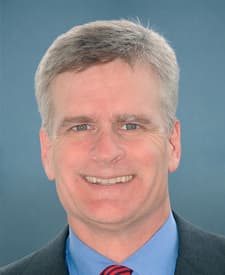
Introduced on Jun 18, 2025 by Bill Cassidy (R-LA). 15 cosponsors, 7 of them from another party. Latest action (Jul 15, 2026): Held at the desk.
- Stage
- Passed one chamber
- Introduced
- Jun 18, 2025
- Cosponsors
- 15
- 7 from the other party
- Policy area
- Social Welfare
Progress
The furthest stage the measure reached. Simple and concurrent resolutions do not go to the President.
- Introduced
- Reported by committee
- Passed one chamber
- 4Passed both chambers
- 5Sent to the President
- 6Became law
Official title
A bill to amend the Older Americans Act of 1965 to authorize appropriations for fiscal years 2026 through 2030, and for other purposes.
Subjects
- Adult day care
- Advisory bodies
- Aging
- Air quality
- Child care and development
- Community life and organization
- Congressional oversight
- Crime victims
- Department of Health and Human Services
- Disability assistance
- Drug, alcohol, tobacco use
- Employment and training programs
- Energy assistance for the poor and aged
- Executive agency funding and structure
- Family relationships
- Family services
- Food assistance and relief
- Government information and archives
- Government studies and investigations
- Health programs administration and funding
- Health promotion and preventive care
- Health technology, devices, supplies
- Housing for the elderly and disabled
- Indian social and development programs
- Infectious and parasitic diseases
- Intergovernmental relations
- Internet, web applications, social media
- Long-term, rehabilitative, and terminal care
- Mental health
- Nutrition and diet
- Presidents and presidential powers, Vice Presidents
- Social work, volunteer service, charitable organizations
- State and local government operations
Summary
By the Congressional Research Service (Introduced in Senate, Jun 18, 2025). Public domain.
Older Americans Act Reauthorization Act of 2025
This bill reauthorizes through FY2030, modifies, and establishes programs under the Older Americans Act, which supports social services and activities for individuals aged 60 years or older.
Reauthorized programs and activities include
- the national eldercare locator service;
- regional aging and disability resource centers;
- grants to support counseling and assistance on pensions and other retirement benefits;
- grants to support home-delivered nutrition services (sometimes referred to as meals on wheels programs);
- programs to facilitate the delivery of supportive services to tribal organizations; and
- programs to prevent elder abuse, neglect, and exploitation.
The bill also modifies existing programs for older individuals, including by explicitly permitting states to use certain grant funds to make carryout meals available at congregate meal sites or community locations. (Some providers began offering carryout meals to seniors in response to the COVID-19 pandemic.)
Further, the bill permits the Administration on Aging to establish and operate, through grants to or contracts with eligible entities, a national resource center to support growth of the direct care workforce. The center’s activities may include the provision of training and technical assistance and the promotion of strategies to recruit and retain direct care workers.
Finally, the bill establishes or reconvenes certain advisory groups, including (1) an advisory committee to provide guidance regarding the needs of older Native Americans and the implementation of related programs, and (2) a White House Conference on Aging to recommend improvements to federal programs that serve older individuals.
Sponsor and cosponsors
Cosponsors by party as of the day they signed on. Original cosponsors signed on the day of introduction.
Democrats · 7
- Kirsten E. GillibrandD-NYoriginal
- Tim KaineD-VAoriginal
- Ben Ray LujánD-NMoriginal
- Edward J. MarkeyD-MAoriginal
- Michael F. BennetD-COsigned on Dec 17, 2025
- Raphael G. WarnockD-GAsigned on Dec 17, 2025
- Andy KimD-NJsigned on Jun 22, 2026
Independents · 1
- Bernard SandersI-VToriginal
Republicans · 7
- Susan M. CollinsR-MEoriginal
- Markwayne MullinR-OKoriginal
- Lisa MurkowskiR-AKoriginal
- Rick ScottR-FLoriginal
- James C. JusticeR-WVsigned on Dec 3, 2025
- Ashley MoodyR-FLsigned on Dec 3, 2025
- David McCormickR-PAsigned on Jun 22, 2026
Roll calls
Recorded votes on the measure. Most measures move by voice vote or unanimous consent, which record no individual positions.
No recorded roll call on this measure: it moved by voice vote or unanimous consent, or has not reached the floor.
History
Every action as published, oldest first. Roll calls link to how each member voted.
- Jun 18, 2025Introduced in Senate
- Jun 18, 2025 · SenateRead twice and referred to the Committee on Health, Education, Labor, and Pensions.
- Jul 14, 2026Senate Committee on Health, Education, Labor, and Pensions discharged by Unanimous Consent.
- Jul 14, 2026 · SenateSenate Committee on Health, Education, Labor, and Pensions discharged by Unanimous Consent.
- Jul 14, 2026Passed/agreed to in Senate: Passed Senate without amendment by Unanimous Consent.
- Jul 14, 2026 · SenatePassed Senate without amendment by Unanimous Consent. (consideration: CR S4077-4087; text: CR S4077-4087)
- Jul 15, 2026 · SenateMessage on Senate action sent to the House.
- Jul 15, 2026 · HouseReceived in the House.
- Jul 15, 2026 · HouseHeld at the desk.
Committees
Committees and subcommittees the measure was referred to.
Agencies in its committees' jurisdiction
Analisa's mapping of committee jurisdiction to federal agencies; the bill may touch others, or none of these.
Who lobbied on it
Organizations whose lobbying reports (LD-2) name this measure. Spending is what they reported for those quarters on all issues, not on this measure alone.
- NATIONAL COMMITTEE TO PRESERVE SOCIAL SECURITY AND MEDICARE10 reports$1M reported (all issues)
- AARP5 reports$22.2M reported (all issues)
- Alzheimer's Association5 reports$5.7M reported (all issues)
- ARGENTUM4 reports$240K reported (all issues)
- Trust for America's Health3 reports$123.1K reported (all issues)
- Elekta, Inc.1 report
- Meals On Wheels America1 report
- National Taxpayers Union1 report$30K reported (all issues)
Reports filed in 2025, 2026.
Sources and method
Every figure on this page traces to these records.
- Bill status: bills and resolutions, sponsors, actions, subjects and CRS summaries (U.S. Government Publishing Office (GovInfo), from Congress.gov (Library of Congress))GovInfo Bill Status bulk data (Congress.gov; summaries by the Congressional Research Service) · data current to Oct 9, 2026 · loaded Oct 9, 2026 · license: Public domain (U.S. Government work, 17 U.S.C. § 105)
- Members of Congress, their terms, committees and identifiers (The @unitedstates project (from the Biographical Directory of the U.S. Congress, the House and the Senate))unitedstates/congress-legislators: legislators, committees and current committee membership · data current to Oct 3, 2026 · loaded Oct 3, 2026 · license: CC0 1.0 (public domain dedication)
- House roll-call votes (Office of the Clerk, U.S. House of Representatives)Office of the Clerk, U.S. House of Representatives, roll-call vote records · data current to Oct 3, 2026 · loaded Oct 3, 2026 · license: Public domain (U.S. Government work, 17 U.S.C. § 105)
- Senate roll-call votes and DW-NOMINATE scores (Voteview (UCLA Department of Political Science))Lewis, Jeffrey B., Keith Poole, Howard Rosenthal, Adam Boche, Aaron Rudkin, and Luke Sonnet (2026). Voteview: Congressional Roll-Call Votes Database. https://voteview.com/ · data current to Oct 3, 2026 · loaded Oct 3, 2026 · license: Free to use with the required citation
- Lobbying disclosures (LD-1 registrations, LD-2 quarterly reports, LD-203 contribution reports) (Clerk of the U.S. House of Representatives)Clerk of the House, Lobbying Disclosure Act filings (organizations only; lobbyists' names are not loaded) · data current to Oct 9, 2026 · loaded Oct 9, 2026 · license: Public domain (U.S. Government work, 17 U.S.C. § 105)
- Positions are shown only where a roll call recorded them; voice votes and unanimous consent record none.
- Money and votes are shown side by side; neither explains the other.