U.S. House · Nov 3, 2026
Wisconsin's 2nd district
Candidates are those who filed with the Federal Election Commission for the seat and raised at least $5,000 (incumbents always): the list includes candidates who lost a primary or withdrew. Your ballot is set by your state.
Candidates and their money
Cumulative receipts reported to the FEC through each candidate's latest report. Shares are of receipts.
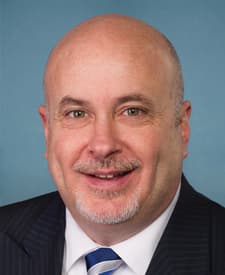 Mark PocanDemocratic · Incumbent$814.9KCash on hand $884K · through Jul 22, 2026From PACs of federal contractors: $63.5K
The sitting member's record
Recorded votes in the current Congress. Activity measures are volume and attendance, not a grade.
- With party
- 100%
- 468/469
- Missed
- 1.2%
- 8/675
- Bills sponsored
- 26
- 0 became law
- Across the aisle
- 18%
- 105 of 573 bills cosponsored
Federal money in the district
Contracts performed in the district (current boundaries), attributed by ZIP code and county.
Federal contracts in the district
- Centers for Medicare and Medicaid Services$60.5M · 19%
- Defense Health Agency$51.8M · 17%
- Department of the Army$41.1M · 13%
- Department of Veterans Affairs$39.1M · 12%
Grants to the district's counties
The largest grant programs to the counties of the district, each county weighted by the district's share of its residents: an estimate. Grants to state governments are not included.
- aging research$111.7M
- office of science financial assistance program$59.3M
- biomedical research and research training$53.5M
- allergy and infectious diseases research$51M
- surface transportation block grant program$37.4M
- mathematical and physical sciences$25.8M
- cardiovascular diseases research$23.2M
- trans-nih research support$19M
Direct payments and insurance (Social Security, Medicare, …): $51.1B (FY2026) · Their size follows who lives in the place (retirees, patients), not annual decisions.
How ballots were counted here
Mail and provisional ballots in recent federal general elections, as election offices reported them to the U.S. Election Assistance Commission. Pick the county you vote in.
Official election information
Registration, deadlines, polling places and your exact ballot come from your state election office.
Find yours on vote.govSeveral states redrew their districts for 2026: district numbers here follow the FEC filings, maps and money follow the current boundaries.
- FEC bulk data: committee master, candidate master (candidates' names, no addresses), linkages, PAC summaries, all-candidates summaries and contributions from committees (no individual contributors) · Oct 5, 2026
- unitedstates/congress-legislators: legislators, committees and current committee membership · Oct 3, 2026
- Office of the Clerk, U.S. House of Representatives, roll-call vote records · Oct 3, 2026
- Lewis, Jeffrey B., Keith Poole, Howard Rosenthal, Adam Boche, Aaron Rudkin, and Luke Sonnet (2026). Voteview: Congressional Roll-Call Votes Database. https://voteview.com/ · Oct 3, 2026
- U.S. Census Bureau, Cartographic Boundary Files (congressional districts) and 2020 relationship files · Oct 3, 2026
- U.S. Census Bureau, 2020 relationship files (ZCTAs, tracts and congressional districts); shares computed by Analisa · Oct 3, 2026
- USAspending.gov, prime award contract transactions (FPDS) · Oct 3, 2026
- USAspending.gov, prime award financial assistance transactions (FABS) · Oct 3, 2026