H.R. 6448 · 117th Congress
Invest to Protect Act of 2022
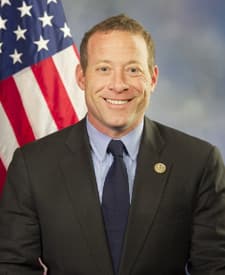
Introduced on Jan 20, 2022 by Josh Gottheimer (D-NJ-5). 86 cosponsors, 27 of them from another party. Latest action (Sep 27, 2022): Received in the Senate.
- Stage
- Passed one chamber
- Introduced
- Jan 20, 2022
- Cosponsors
- 86
- 27 from the other party
- Policy area
- Crime and Law Enforcement
Progress
The furthest stage the measure reached. Simple and concurrent resolutions do not go to the President.
- Introduced
- Reported by committee
- Passed one chamber
- 4Passed both chambers
- 5Sent to the President
- 6Became law
Official title
To direct the Director of the Office of Community Oriented Policing Services of the Department of Justice to carry out a grant program to provide assistance to police departments with fewer than 200 law enforcement officers, and for other purposes.
Subjects
- Community life and organization
- Congressional oversight
- Employee hiring
- Government employee pay, benefits, personnel management
- Government information and archives
- Government studies and investigations
- Law enforcement administration and funding
- Law enforcement officers
- Mental health
- State and local government operations
Summary
By the Congressional Research Service (Passed House, Sep 22, 2022). Public domain.
Invest to Protect Act of 2022
This bill directs the Office of Community Oriented Policing Services within the Department of Justice to award grants to local and tribal governments that employ fewer than 125 law enforcement officers. Grant funds may be used for various activities, including to provide de-escalation training and improve recruitment and retention.
Sponsor and cosponsors
Cosponsors by party as of the day they signed on. Original cosponsors signed on the day of introduction.
Democrats · 59
- Cynthia AxneD-IA-3original
- Sanford D. Bishop, Jr.D-GA-2original
- Ed CaseD-HI-1original
- Jim CostaD-CA-16original
- Angie CraigD-MN-2original
- Antonio DelgadoD-NY-19original
- Val Butler DemingsD-FL-10original
- Jared F. GoldenD-ME-2original
- Ann M. KusterD-NH-2original
- Susie LeeD-NV-3original
- Elaine G. LuriaD-VA-2original
- Stephanie N. MurphyD-FL-7original
- Tom O’HalleranD-AZ-1original
- Jimmy PanettaD-CA-20original
- Chris PappasD-NH-1original
- Dean PhillipsD-MN-3original
- Kurt SchraderD-OR-5original
- Mikie SherrillD-NJ-11original
- Elissa SlotkinD-MI-8original
- Abigail Davis SpanbergerD-VA-7original
- Thomas R. SuozziD-NY-3original
- Filemon VelaD-TX-34original
- Kim SchrierD-WA-8signed on Jan 25, 2022
- Greg StantonD-AZ-9signed on Feb 2, 2022
- Chrissy HoulahanD-PA-6signed on Feb 7, 2022
- Salud O. CarbajalD-CA-24signed on Feb 8, 2022
- Mike LevinD-CA-49signed on Feb 9, 2022
- Pete AguilarD-CA-31signed on Feb 11, 2022
- Andy KimD-NJ-3signed on Feb 11, 2022
- Josh HarderD-CA-10signed on Feb 28, 2022
- Tom MalinowskiD-NJ-7signed on Feb 28, 2022
- J. Luis CorreaD-CA-46signed on Mar 2, 2022
- Katie PorterD-CA-45signed on Mar 2, 2022
- Susan WildD-PA-7signed on Mar 7, 2022
- Conor LambD-PA-17signed on Mar 15, 2022
- Jahana HayesD-CT-5signed on Mar 31, 2022
- Daniel T. KildeeD-MI-5signed on May 10, 2022
- Linda T. SánchezD-CA-38signed on May 10, 2022
- Charlie CristD-FL-13signed on May 11, 2022
- Eric SwalwellD-CA-15signed on May 11, 2022
- Marcy KapturD-OH-9signed on May 12, 2022
- Darren SotoD-FL-9signed on May 12, 2022
- Mike ThompsonD-CA-5signed on May 12, 2022
- Bradley Scott SchneiderD-IL-10signed on May 13, 2022
- David J. TroneD-MD-6signed on May 16, 2022
- Cheri BustosD-IL-17signed on May 24, 2022
- Haley M. StevensD-MI-11signed on May 24, 2022
- Juan VargasD-CA-51signed on May 24, 2022
- Carolyn BourdeauxD-GA-7signed on Jun 3, 2022
- Debbie DingellD-MI-12signed on Jun 7, 2022
- Frank Pallone, Jr.D-NJ-6signed on Jun 7, 2022
- Henry CuellarD-TX-28signed on Jun 9, 2022
- Raja KrishnamoorthiD-IL-8signed on Jun 9, 2022
- Joseph D. MorelleD-NY-25signed on Jun 23, 2022
- Derek KilmerD-WA-6signed on Jul 19, 2022
- Terri A. SewellD-AL-7signed on Jul 20, 2022
- Jennifer WextonD-VA-10signed on Jul 28, 2022
- Sean CastenD-IL-6signed on Aug 12, 2022
- Dina TitusD-NV-1signed on Sep 21, 2022
Republicans · 27
- Don BaconR-NE-2original
- Steve ChabotR-OH-1original
- Brian K. FitzpatrickR-PA-1original
- Jaime Herrera BeutlerR-WA-3original
- Dusty JohnsonR-SDoriginal
- David P. JoyceR-OH-14original
- John KatkoR-NY-24original
- Peter MeijerR-MI-3original
- Daniel MeuserR-PA-9original
- Markwayne MullinR-OK-2original
- Tom ReedR-NY-23original
- John H. RutherfordR-FL-4original
- Jason SmithR-MO-8original
- Bryan SteilR-WI-1original
- Fred UptonR-MI-6original
- David G. ValadaoR-CA-21original
- Bruce WestermanR-AR-4original
- Tom RiceR-SC-7signed on Mar 1, 2022
- Guy ReschenthalerR-PA-14signed on Mar 2, 2022
- Jenniffer González-ColónR-PRsigned on May 10, 2022
- Andrew R. GarbarinoR-NY-2signed on Jun 3, 2022
- Stephanie I. BiceR-OK-5signed on Jun 9, 2022
- Anthony GonzalezR-OH-16signed on Jun 9, 2022
- Eric A. "Rick" CrawfordR-AR-1signed on Jun 21, 2022
- Ken CalvertR-CA-42signed on Jul 1, 2022
- Alexander X. MooneyR-WV-2signed on Jul 26, 2022
- Maria Elvira SalazarR-FL-27signed on Jul 26, 2022
Roll calls
Recorded votes on the measure. Most measures move by voice vote or unanimous consent, which record no individual positions.
- Sep 22, 2022· House· Passage· Passed 360–64
History
Every action as published, oldest first. Roll calls link to how each member voted.
- Jan 20, 2022Introduced in House
- Jan 20, 2022Introduced in House
- Jan 20, 2022 · HouseReferred to the House Committee on the Judiciary.
- Sep 21, 2022 · HouseRules Committee Resolution H. Res. 1377 Reported to House. Rule provides for consideration of H.R. 4118, H.R. 5768, H.R. 6448 and H.R. 8542. Resolution provides for 30 minutes of general debate with one motion to recommit for each bill.
- Sep 22, 2022 · HouseConsidered under the provisions of rule H. Res. 1377. (consideration: CR H8085-8090)
- Sep 22, 2022 · HouseRule provides for consideration of H.R. 4118, H.R. 5768, H.R. 6448 and H.R. 8542. Resolution provides for 30 minutes of general debate with one motion to recommit for each bill.
- Sep 22, 2022 · HouseDEBATE - The House proceeded with 30 minutes of debate on H.R. 6448.
- Sep 22, 2022 · HouseThe previous question was ordered pursuant to the rule.
- Sep 22, 2022 · HousePOSTPONED PROCEEDINGS - At the conclusion of debate on H.R. 6448, the Chair put the question on passage of the bill and by voice vote, announced that the ayes had prevailed. Mr. Jordan demanded the yeas and nays and the Chair postponed further proceedings until a time to be announced.
- Sep 22, 2022 · HouseConsidered as unfinished business. (consideration: CR H8100-8101)
- Sep 22, 2022Passed/agreed to in House: On passage Passed by the Yeas and Nays: 360 - 64 (Roll no. 451).House · Roll call 451
- Sep 22, 2022 · HouseOn passage Passed by the Yeas and Nays: 360 - 64 (Roll no. 451). (text: CR H8085-8086)House · Roll call 451
- Sep 22, 2022 · HouseMotion to reconsider laid on the table Agreed to without objection.
- Sep 27, 2022 · SenateReceived in the Senate.
Committees
Committees and subcommittees the measure was referred to.
Agencies in its committees' jurisdiction
Analisa's mapping of committee jurisdiction to federal agencies; the bill may touch others, or none of these.
Sources and method
Every figure on this page traces to these records.
- Bill status: bills and resolutions, sponsors, actions, subjects and CRS summaries (U.S. Government Publishing Office (GovInfo), from Congress.gov (Library of Congress))GovInfo Bill Status bulk data (Congress.gov; summaries by the Congressional Research Service) · data current to Oct 3, 2026 · loaded Oct 3, 2026 · license: Public domain (U.S. Government work, 17 U.S.C. § 105)
- Members of Congress, their terms, committees and identifiers (The @unitedstates project (from the Biographical Directory of the U.S. Congress, the House and the Senate))unitedstates/congress-legislators: legislators, committees and current committee membership · data current to Oct 3, 2026 · loaded Oct 3, 2026 · license: CC0 1.0 (public domain dedication)
- House roll-call votes (Office of the Clerk, U.S. House of Representatives)Office of the Clerk, U.S. House of Representatives, roll-call vote records · data current to Oct 3, 2026 · loaded Oct 3, 2026 · license: Public domain (U.S. Government work, 17 U.S.C. § 105)
- Senate roll-call votes and DW-NOMINATE scores (Voteview (UCLA Department of Political Science))Lewis, Jeffrey B., Keith Poole, Howard Rosenthal, Adam Boche, Aaron Rudkin, and Luke Sonnet (2026). Voteview: Congressional Roll-Call Votes Database. https://voteview.com/ · data current to Oct 3, 2026 · loaded Oct 3, 2026 · license: Free to use with the required citation
- Lobbying disclosures (LD-1 registrations, LD-2 quarterly reports, LD-203 contribution reports) (Clerk of the U.S. House of Representatives)Clerk of the House, Lobbying Disclosure Act filings (organizations only; lobbyists' names are not loaded) · data current to Oct 5, 2026 · loaded Oct 5, 2026 · license: Public domain (U.S. Government work, 17 U.S.C. § 105)
- Positions are shown only where a roll call recorded them; voice votes and unanimous consent record none.