H.R. 5361 · 119th Congress
George Floyd Justice in Policing Act of 2025
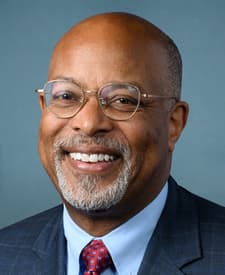
Introduced on Sep 15, 2025 by Glenn Ivey (D-MD-4). 136 cosponsors, all from the sponsor's party. Latest action (Sep 15, 2025): Referred to the Committee on the Judiciary, and in addition to the Committees on Armed Services, and Energy and Commerce, for a period to be subsequently determined by the Speaker, in each case for consideration of such provisions as fall within the jurisdiction of the committee concerned.
- Stage
- Introduced
- Introduced
- Sep 15, 2025
- Cosponsors
- 136
- 0 from the other party
- Policy area
- Crime and Law Enforcement
Progress
The furthest stage the measure reached. Simple and concurrent resolutions do not go to the President.
- Introduced
- 2Reported by committee
- 3Passed one chamber
- 4Passed both chambers
- 5Sent to the President
- 6Became law
Official title
To hold law enforcement accountable for misconduct in court, improve transparency through data collection, and reform police training and policies.
Summary
By the Congressional Research Service (Introduced in House, Sep 15, 2025). Public domain.
George Floyd Justice in Policing Act of 2025
This bill addresses a wide range of policies and issues regarding policing practices and law enforcement accountability. It increases accountability for law enforcement misconduct, restricts the use of certain policing practices, enhances transparency and data collection, and establishes best practices and training requirements.
The bill enhances existing enforcement mechanisms to remedy violations by law enforcement. Among other things, it does the following:
- lowers the criminal intent standard—from willful to knowing or reckless—to convict a law enforcement officer for misconduct in a federal prosecution,
- limits qualified immunity as a defense to liability in a private civil action against a law enforcement officer, and
- grants administrative subpoena power to the Department of Justice (DOJ) in pattern-or-practice investigations.
It establishes a framework to prevent and remedy racial profiling by law enforcement at the federal, state, and local levels. It also limits the unnecessary use of force and restricts the use of no-knock warrants, chokeholds, and carotid holds.
The bill creates a national registry—the National Police Misconduct Registry—to compile data on complaints and records of police misconduct. It also establishes new reporting requirements, including on the use of force, officer misconduct, and routine policing practices (e.g., stops and searches).
Finally, it directs DOJ to create uniform accreditation standards for law enforcement agencies and requires law enforcement officers to complete training on racial profiling, implicit bias, and the duty to intervene when another officer uses excessive force.
Sponsor and cosponsors
Cosponsors by party as of the day they signed on. Original cosponsors signed on the day of introduction.
Democrats · 136
- Alma S. AdamsD-NC-12original
- Yassamin AnsariD-AZ-3original
- Becca BalintD-VToriginal
- Joyce BeattyD-OH-3original
- Wesley BellD-MO-1original
- Ami BeraD-CA-6original
- Donald S. Beyer, Jr.D-VA-8original
- Shontel M. BrownD-OH-11original
- Julia BrownleyD-CA-26original
- André CarsonD-IN-7original
- Troy A. CarterD-LA-2original
- Sean CastenD-IL-6original
- Kathy CastorD-FL-14original
- Sheila Cherfilus-McCormickD-FL-20original
- Judy ChuD-CA-28original
- Yvette D. ClarkeD-NY-9original
- Emanuel CleaverD-MO-5original
- James E. ClyburnD-SC-6original
- Steve CohenD-TN-9original
- J. Luis CorreaD-CA-46original
- Jim CostaD-CA-21original
- Jasmine CrockettD-TX-30original
- Jason CrowD-CO-6original
- Danny K. DavisD-IL-7original
- Madeleine DeanD-PA-4original
- Diana DeGetteD-CO-1original
- Suzan K. DelBeneD-WA-1original
- Christopher R. DeluzioD-PA-17original
- Mark DeSaulnierD-CA-10original
- Lloyd DoggettD-TX-37original
- Veronica EscobarD-TX-16original
- Adriano EspaillatD-NY-13original
- Dwight EvansD-PA-3original
- Shomari FiguresD-AL-2original
- Lizzie FletcherD-TX-7original
- Bill FosterD-IL-11original
- Valerie P. FousheeD-NC-4original
- Laura FriedmanD-CA-30original
- Maxwell FrostD-FL-10original
- John GaramendiD-CA-8original
- Jesús G. "Chuy" GarcíaD-IL-4original
- Robert GarciaD-CA-42original
- Sylvia R. GarciaD-TX-29original
- Al GreenD-TX-9original
- Jahana HayesD-CT-5original
- Chrissy HoulahanD-PA-6original
- Steny H. HoyerD-MD-5original
- Jared HuffmanD-CA-2original
- Jonathan L. JacksonD-IL-1original
- Sara JacobsD-CA-51original
- Pramila JayapalD-WA-7original
- Henry C. "Hank" Johnson, Jr.D-GA-4original
- Julie JohnsonD-TX-32original
- Sydney Kamlager-DoveD-CA-37original
- Robin L. KellyD-IL-2original
- Ro KhannaD-CA-17original
- Raja KrishnamoorthiD-IL-8original
- Rick LarsenD-WA-2original
- Teresa Leger FernandezD-NM-3original
- Ted LieuD-CA-36original
- Stephen F. LynchD-MA-8original
- Doris O. MatsuiD-CA-7original
- Lucy McBathD-GA-6original
- Sarah McBrideD-DEoriginal
- Jennifer L. McClellanD-VA-4original
- Betty McCollumD-MN-4original
- Morgan McGarveyD-KY-3original
- James P. McGovernD-MA-2original
- LaMonica McIverD-NJ-10original
- Gregory W. MeeksD-NY-5original
- Grace MengD-NY-6original
- Kweisi MfumeD-MD-7original
- Gwen MooreD-WI-4original
- Joseph D. MorelleD-NY-25original
- Seth MoultonD-MA-6original
- Frank J. MrvanD-IN-1original
- Jerrold NadlerD-NY-12original
- Joe NeguseD-CO-2original
- Eleanor Holmes NortonD-DCoriginal
- Alexandria Ocasio-CortezD-NY-14original
- Johnny Olszewski, Jr.D-MD-2original
- Ilhan OmarD-MN-5original
- Jimmy PanettaD-CA-19original
- Nancy PelosiD-CA-11original
- Scott H. PetersD-CA-50original
- Chellie PingreeD-ME-1original
- Stacey E. PlaskettD-VIoriginal
- Mark PocanD-WI-2original
- Ayanna PressleyD-MA-7original
- Delia C. RamirezD-IL-3original
- Emily RandallD-WA-6original
- Jamie RaskinD-MD-8original
- Deborah K. RossD-NC-2original
- Mary Gay ScanlonD-PA-5original
- Janice D. SchakowskyD-IL-9original
- Bradley Scott SchneiderD-IL-10original
- David ScottD-GA-13original
- Terri A. SewellD-AL-7original
- Brad ShermanD-CA-32original
- Lateefah SimonD-CA-12original
- Adam SmithD-WA-9original
- Darren SotoD-FL-9original
- Melanie A. StansburyD-NM-1original
- Haley M. StevensD-MI-11original
- Marilyn StricklandD-WA-10original
- Eric SwalwellD-CA-14original
- Shri ThanedarD-MI-13original
- Bennie G. ThompsonD-MS-2original
- Rashida TlaibD-MI-12original
- Jill N. TokudaD-HI-2original
- Paul TonkoD-NY-20original
- Ritchie TorresD-NY-15original
- Lori TrahanD-MA-3original
- Lauren UnderwoodD-IL-14original
- Juan VargasD-CA-52original
- Marc A. VeaseyD-TX-33original
- Nydia M. VelázquezD-NY-7original
- Debbie Wasserman SchultzD-FL-25original
- Maxine WatersD-CA-43original
- Bonnie Watson ColemanD-NJ-12original
- Nikema WilliamsD-GA-5original
- Frederica S. WilsonD-FL-24original
- Greg CasarD-TX-35signed on Sep 17, 2025
- Sanford D. Bishop, Jr.D-GA-2signed on Sep 19, 2025
- John B. LarsonD-CT-1signed on Oct 10, 2025
- Jimmy GomezD-CA-34signed on Oct 31, 2025
- Donald NorcrossD-NJ-1signed on Dec 10, 2025
- Sarah ElfrethD-MD-3signed on Mar 24, 2026
- Christian D. MenefeeD-TX-18signed on Mar 24, 2026
- James R. WalkinshawD-VA-11signed on Mar 24, 2026
- Nanette Diaz BarragánD-CA-44signed on Jul 13, 2026
- Suzanne BonamiciD-OR-1signed on Jul 13, 2026
- Debbie DingellD-MI-6signed on Jul 13, 2026
- Luz M. RivasD-CA-29signed on Jul 16, 2026
- Kevin MullinD-CA-15signed on Jul 20, 2026
- Everton Blair Jr.D-GA-13signed on Sep 14, 2026
Roll calls
Recorded votes on the measure. Most measures move by voice vote or unanimous consent, which record no individual positions.
No recorded roll call on this measure: it moved by voice vote or unanimous consent, or has not reached the floor.
History
Every action as published, oldest first. Roll calls link to how each member voted.
- Sep 15, 2025Introduced in House
- Sep 15, 2025Introduced in House
- Sep 15, 2025 · HouseReferred to the Committee on the Judiciary, and in addition to the Committees on Armed Services, and Energy and Commerce, for a period to be subsequently determined by the Speaker, in each case for consideration of such provisions as fall within the jurisdiction of the committee concerned.
- Sep 15, 2025 · HouseReferred to the Committee on the Judiciary, and in addition to the Committees on Armed Services, and Energy and Commerce, for a period to be subsequently determined by the Speaker, in each case for consideration of such provisions as fall within the jurisdiction of the committee concerned.
- Sep 15, 2025 · HouseReferred to the Committee on the Judiciary, and in addition to the Committees on Armed Services, and Energy and Commerce, for a period to be subsequently determined by the Speaker, in each case for consideration of such provisions as fall within the jurisdiction of the committee concerned.
Committees
Committees and subcommittees the measure was referred to.
Agencies in its committees' jurisdiction
Analisa's mapping of committee jurisdiction to federal agencies; the bill may touch others, or none of these.
Sources and method
Every figure on this page traces to these records.
- Bill status: bills and resolutions, sponsors, actions, subjects and CRS summaries (U.S. Government Publishing Office (GovInfo), from Congress.gov (Library of Congress))GovInfo Bill Status bulk data (Congress.gov; summaries by the Congressional Research Service) · data current to Oct 9, 2026 · loaded Oct 9, 2026 · license: Public domain (U.S. Government work, 17 U.S.C. § 105)
- Members of Congress, their terms, committees and identifiers (The @unitedstates project (from the Biographical Directory of the U.S. Congress, the House and the Senate))unitedstates/congress-legislators: legislators, committees and current committee membership · data current to Oct 3, 2026 · loaded Oct 3, 2026 · license: CC0 1.0 (public domain dedication)
- House roll-call votes (Office of the Clerk, U.S. House of Representatives)Office of the Clerk, U.S. House of Representatives, roll-call vote records · data current to Oct 3, 2026 · loaded Oct 3, 2026 · license: Public domain (U.S. Government work, 17 U.S.C. § 105)
- Senate roll-call votes and DW-NOMINATE scores (Voteview (UCLA Department of Political Science))Lewis, Jeffrey B., Keith Poole, Howard Rosenthal, Adam Boche, Aaron Rudkin, and Luke Sonnet (2026). Voteview: Congressional Roll-Call Votes Database. https://voteview.com/ · data current to Oct 3, 2026 · loaded Oct 3, 2026 · license: Free to use with the required citation
- Lobbying disclosures (LD-1 registrations, LD-2 quarterly reports, LD-203 contribution reports) (Clerk of the U.S. House of Representatives)Clerk of the House, Lobbying Disclosure Act filings (organizations only; lobbyists' names are not loaded) · data current to Oct 9, 2026 · loaded Oct 9, 2026 · license: Public domain (U.S. Government work, 17 U.S.C. § 105)
- Positions are shown only where a roll call recorded them; voice votes and unanimous consent record none.